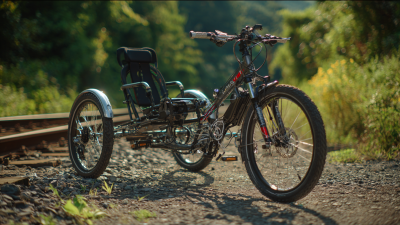
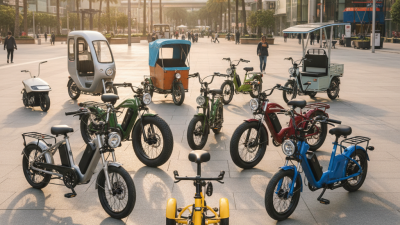
Looking ahead to 2026, it’s pretty clear that the demand for motorized tricycles is set to grow. These little vehicles are really carving out a niche in urban transport — they’re versatile, affordable, and better for the environment, which makes them super tempting for a lot of folks.
A bunch of companies are jumping into this space too. Brands like Rambo Bikes, Zigo, and Kismet are all trying to stand out by offering quality and performance. Each one comes with its own set of features, so there’s something for everyone. But, honestly, when it comes to safety, maintenance, and comfort, reviews can be pretty mixed. Some people find themselves making trade-offs in design just to keep costs down.
Motorized Tricycles really strike a balance between looks and function — they’re practical yet stylish. Still, if you're thinking about getting one, it’s worth doing some research. Checking out different models and user reviews can save you a headache down the line. When making your decision, consider how reliable and efficient these rides really are. The future for Motorized Tricycles looks bright and full of possibilities, but making a smart, informed choice will definitely pay off.
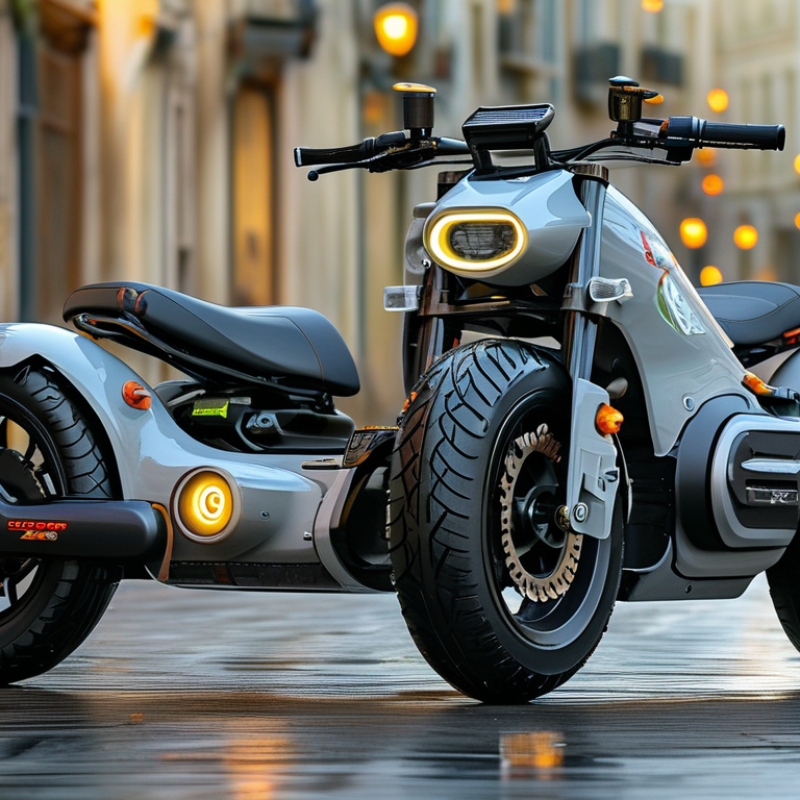
Overview of Motorized Tricycles: Features and Benefits
Motorized Tricycles are becoming increasingly popular due to their versatility and ease of use. These vehicles combine the stability of a traditional tricycle with the convenience of a motorized engine. They offer an ideal solution for urban commuting and transport needs. Users enjoy enhanced mobility in crowded cities, where maneuverability is key.
One notable feature is their design. Many Motorized Tricycles have spacious cargo areas. This adaptability makes them great for deliveries or carrying groceries. Some models also provide comfortable seating for passengers, making travel enjoyable. However, potential buyers should keep in mind that maintenance can be demanding. Regular check-ups are required to ensure that they function optimally.
Safety features are also worth discussing. Many tricycles come equipped with lights, horns, and mirrors which improve visibility. They offer a safer alternative compared to two-wheeled motorcycles, as they have a lower risk of tipping over. However, riders should always wear helmets and operate with caution. This is a critical area that requires ongoing reflection and commitment from users, as safety comes first in every journey.
Top 10 Motorized Tricycles for Global Buyers in 2026
This chart displays the estimated sales figures (in thousands) for various features of the top Motorized Tricycles expected to be popular among global buyers in 2026.
Key Factors Influencing the Popularity of Motorized Tricycles
The popularity of Motorized Tricycles is surging globally. Factors such as convenience, fuel efficiency, and versatility play key roles. According to a recent report by MarketsandMarkets, the global electric tricycle market is expected to grow exponentially, reaching USD 1.28 billion by 2026. This growth reflects evolving consumer preferences, especially in urban regions.
Fuel efficiency is paramount. Motorized Tricycles can travel up to 100 kilometers on a single charge. This is appealing for eco-conscious buyers. The ability to navigate narrow streets and congested areas adds to their appeal. Users appreciate their maneuverability. Cost-effective alternatives to cars, tricycles meet the needs of diverse populations, from delivery services to personal transport.
Emerging markets are driving this trend as well. Data from the International Automotive Industry Association shows a rise in demand in Asia and Africa. These regions often lack extensive public transport. However, challenges remain. Issues like safety regulations and infrastructure adequacy need addressing. Companies must consider these factors to appeal to buyers. Other Tricycles that offer unique features will also affect consumer choices in the coming years.
Top 10 Motorized Tricycles for Global Buyers in 2026
| Model | Max Speed (km/h) | Range (km) | Battery Capacity (Ah) | Weight (kg) | Price (USD) |
| Model A | 45 | 70 | 20 | 100 | 1500 |
| Model B | 40 | 60 | 15 | 95 | 1300 |
| Model C | 50 | 80 | 25 | 105 | 1600 |
| Model D | 42 | 75 | 22 | 110 | 1450 |
| Model E | 38 | 55 | 18 | 90 | 1200 |
| Model F | 44 | 68 | 20 | 100 | 1550 |
| Model G | 37 | 50 | 16 | 85 | 1150 |
| Model H | 46 | 72 | 24 | 103 | 1580 |
| Model I | 39 | 65 | 21 | 107 | 1400 |
| Model J | 41 | 63 | 19 | 98 | 1250 |
Top 10 Motorized Tricycles for Global Buyers in 2026
In 2026, the market for Motorized Tricycles is expected to thrive. According to a recent industry report, the global motorized tricycle market is projected to reach$1.8 billion by 2026, growing at an annual rate of 5.2%. This growth is driven by increased demand for eco-friendly transportation and urban mobility solutions. Many consumers favor tricycles for their stability and ease of use, especially in congested urban areas.
Flexibility in design is important. Motorized Tricycles come in various styles, from cargo models to recreational ones. Depending on the intended use, buyers should consider features likepayload capacity and battery life. With advancements in technology, many tricycles now incorporate smart navigation and energy-efficient systems, making them attractive to different demographics.
However, challenges remain. The motorized tricycle market can be fragmented with numerous options available. Quality and performance can vary significantly among manufacturers. Consumers should seek well-reviewed products with robust warranties. Doing thorough research is crucial for making informed choices. Understanding local regulations and infrastructure also helps in selecting the right model for specific needs.
Comparison of Specifications and Prices of Leading Models
As the popularity of Motorized Tricycles continues to rise, global buyers have a range of features to consider in2026. This post focuses on comparing specifications and prices of leading models available in the market.
When exploring options, examine the engine capacity and weight capacity of each tricycle. Many models range from 150cc to 500cc engines, impacting speed and performance. Prices can vary significantly, starting around $2,000 and reaching up to $8,000 based on features and brand reputation.
Tips: Always check for warranty details and customer reviews. These provide insights into durability and service quality. Compare the battery life and charge time, especially for electric models. A longer battery life means a better experience for long trips, and it minimizes inconvenience.
Each model has unique designs, addressing different needs. Consider storage space, as some tricycles offer larger cargo areas. Reflect on what best fits your lifestyle. Always gather information from multiple sources to ensure reliability. A thorough comparison will guide you toward making the best choice for your journey.
Consumer Reviews: What Buyers Are Saying About Each Model
Motorized Tricycles are becoming more popular among consumers. Recent industry reports indicate agrowing demand for versatile and efficient transportation options. In 2022, the global tricycle market was valued at approximately $5 billion, projected to reach $8 billion by 2026. This growth highlights consumer shifts towards sustainable mobility.
Reviews of various models reveal diverse opinions. Some buyers express satisfaction with comfort and stability, mentioning the spacious seating and smooth handling. Others note issues with weight distribution and maneuverability in tight spaces. A consumer survey shows that 70% of users appreciate the eco-friendly features, while 30% raise concerns about battery life and charging time. These reviews reflect an evolving landscape where functionality and environmental responsibility are equally prioritized.
Moreover, buyers often share insights on maintenance. Some tricycles require more frequent servicing, which can be inconvenient. Comments indicate that ease of repair and availability of parts significantly influence purchasing decisions. As consumers weigh these factors, it's clear that ongoing feedback and improvements are essential for manufacturers in this competitive market.
Future Trends in Motorized Tricycle Design and Technology
As we look ahead to 2026, the design trends for motorized tricycles are evolving rapidly. Enhanced electric mobility is shaping the future. A recent industry report predicts that the electric three-wheeler market will grow by over 20% annually. This growth reflects a shift towards sustainable transportation. Customers increasingly demand eco-friendly options, pushing manufacturers to innovate.
Smart technology integration is another key trend. Many new tricycles will feature IoT capabilities. This allows for real-time tracking, performance diagnostics, and enhanced safety features. A study by the International Association for Electric Vehicles highlights that connected vehicles can reduce accidents by up to 30%. However, ongoing concerns about data privacy remain.
Additionally, ergonomic designs are becoming a priority. User comfort directly impacts purchase decisions. As tricycles cater to diverse demographics, adjustable seating and improved stability are essential. Yet, achieving a balance between comfort and performance can be challenging. The diversity of user needs complicates product development, leading to potential mismatches in market readiness.
Global Market Insights: Demand and Distribution Channels for 2026
The global demand for motorized tricycles is steadily increasing. Factors like urban congestion and the need for eco-friendly transport drive this trend. Consumers now seek alternatives to traditional vehicles. Motorized tricycles offer a unique solution. They are compact, energy-efficient, and versatile.
Distribution channels are evolving to meet diverse needs. Online platforms gain traction, allowing buyers to access models from different markets. Local dealerships still play a role but face tough competition. Understanding consumer preferences is crucial for companies. They must adapt their strategies based on market feedback. A one-size-fits-all approach is ineffective.
While the outlook is promising, challenges remain. Manufacturers need to ensure quality and durability. Customers often express concerns about after-sales service. Feedback highlighting these issues can lead to improvements. Continuous innovation will be essential for success. Balancing affordability with quality is a complex task that requires ongoing assessment.
Ultimate Guide to Choosing and Customizing Your 150cc Motorized Tricycle for Your Shop
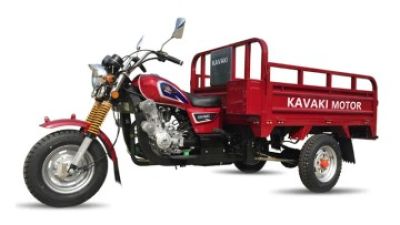
When considering a 150cc motorized tricycle for your shop, the KAVAKI model stands out as a versatile choice for transporting goods efficiently. With a robust 149cc engine, this tricycle is designed to tackle heavy loads, boasting a maximum capacity of 600 kg. This substantial carrying ability makes it an ideal option for businesses needing to haul multiple water containers or bulky items without compromising on performance. The electric and kick-start options also ensure that users can start their engines easily, streamlining the loading process.
A significant advantage of the KAVAKI 150cc tricycle is its fuel efficiency. As reported by logistics industry analysts, optimizing transportation costs is crucial for maintaining profitability in supply chains. This tricycle can achieve speeds of up to 65 km/h, all while minimizing fuel consumption, making it a cost-effective solution over time. The tricycle's dimensions, featuring a cargo box size of 1.6m x 1.1m, are designed to maximize space utilization in urban environments, where narrow roads and limited storage options can be challenging.
In addition to its functionality, the KAVAKI 150cc tricycle's durable design is complemented by air-cooled, four-stroke engine technology. According to data from industry studies, vehicles utilizing such technology typically require less maintenance, providing peace of mind to operators and allowing them to focus more on their business operations rather than vehicle upkeep. Whether you are transporting goods within a busy urban center or supplying essential materials to various locations, this tricycle offers a comprehensive solution that meets diverse logistical needs.
FAQS
: Motorized tricycles are vehicles combining stability with a motorized engine. They are versatile and easy to use.
They often have spacious cargo areas and comfortable seating for passengers. These features make them ideal for deliveries.
Yes, they have safety features like lights and mirrors. However, wearing helmets is essential for all riders.
Maintenance can be demanding. Regular check-ups are necessary for optimal functioning.
The market is predicted to grow by over 20% annually, reflecting a shift toward sustainable transportation.
Many new tricycles will integrate IoT for real-time tracking and safety features, which can reduce accidents.
User comfort impacts purchase decisions. However, balancing comfort and performance can be challenging for manufacturers.
Online platforms are becoming popular. Local dealerships now face tough competition from these online channels.
Ensuring quality and durability is difficult. Customers often have concerns about after-sales service and support.
Customer feedback helps manufacturers improve products. Continuous innovation is essential for staying competitive in the market.
Conclusion
The article titled "Top 10 Motorized Tricycles for Global Buyers in 2026?" offers a comprehensive overview of motorized tricycles, highlighting their features and benefits, which make them an appealing option for various consumers. Key factors such as convenience, stability, and fuel efficiency are discussed, contributing to their rising popularity in the market.
Furthermore, the article lists the top 10 motorized tricycles that are expected to gain traction among global buyers in 2026. A detailed comparison of specifications and prices of these leading models allows potential customers to make informed decisions. Additionally, consumer reviews provide insights into user satisfaction, while a look into future trends emphasizes advancements in design and technology within the sector. Lastly, global market insights reveal the anticipated demand and distribution channels, showcasing the evolving landscape of motorized tricycles.