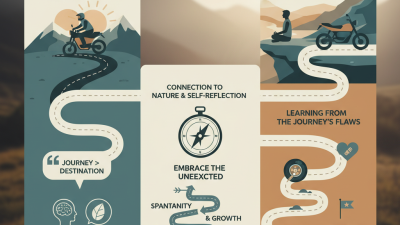
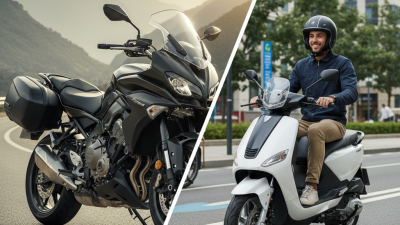
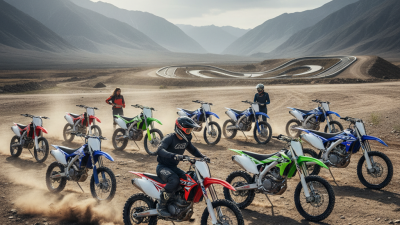
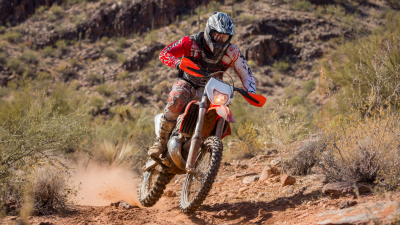
Hey, if you're into adventures, Moto Touring is honestly one of the coolest ways to see the world — all from the saddle of a bike. I recently read that the motorcycle industry is booming, and by 2025, it’s expected to hit around 120 billion dollars globally. That just goes to show how popular motorcycle travel is becoming. Someone like James "Jimmy" Kinkade, a real pro and advocate of Moto Touring, sums it up perfectly when he says, “The road calls us, and every twist and turn brings a little taste of freedom.” Honestly, that pretty much captures why so many folks get hooked on this kind of travel.
But, quick heads-up: jumping into Moto Touring isn’t just about throwing your leg over and hitting the road. You gotta do some homework — know your terrain, check the weather, and make sure your gear is up to snuff. A lot of riders tend to overlook stuff like proper gear or bike maintenance, but trust me, things can get rough out there. Mechanical hiccups or sudden rainstorms can pop up at any time. It sounds intimidating, sure, but honestly, those moments can also turn into some of the most memorable parts of the trip. They make the journey more real and help you grow as a rider.
Plus, building a local crew or community of fellow Moto Tourers is a total game-changer. Chatting with experienced riders gives you advice and tips you might not find elsewhere, and just knowing you're part of a bigger group makes everything more fun. As the sport keeps expanding, having that sense of belonging and shared experience really matters. At the end of the day, Moto Touring isn’t just about the destinations — it's about embracing the ups and downs, and making memories along the way.
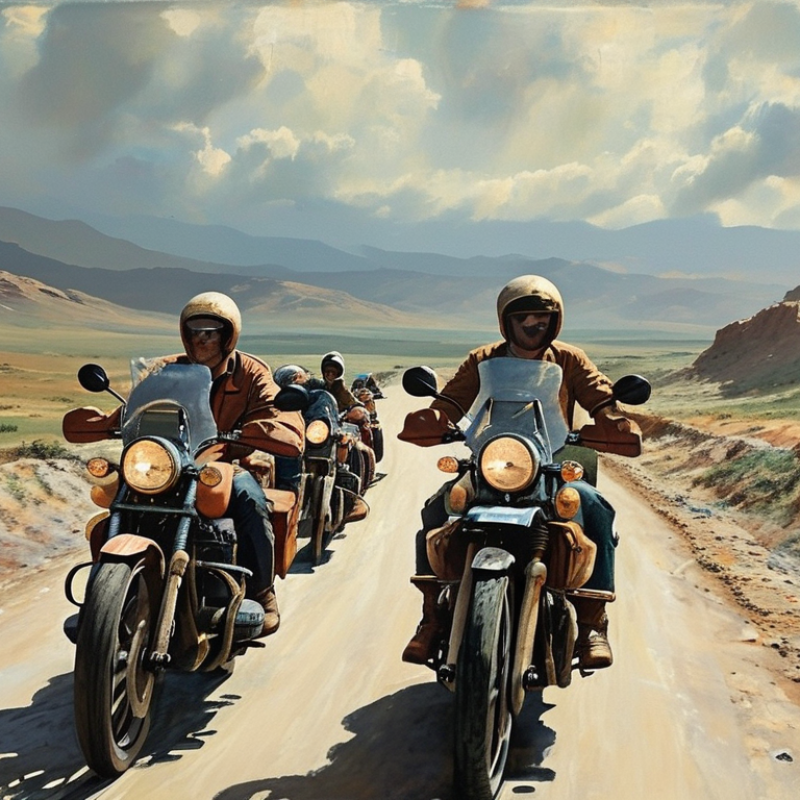
Essential Gear for Your First Moto Touring Adventure
When planning your first Moto Touring adventure, ensuring you have the right gear is essential. A reliable motorcycle suitable for long distances is a must. Consider a bike that offers comfort for your body type. Fuel efficiency can save you from frequent stops, so look for options based on this criterion.
Packing the right equipment can make or break your journey. Invest in high-quality riding gear like a durable helmet, protective jackets, and sturdy boots. Waterproof bags are necessary. They protect your belongings from rain or splashes. You might want to carry a first aid kit. Accidents can happen, even on short rides.
Don’t forget navigation tools. A simple map or a GPS device can prevent you from getting lost. Smartphone apps can sometimes drain your battery. Bring a power bank as a backup.
Tips: Practice loading your motorcycle before hitting the road. Testing the weight distribution helps you feel more balanced on long rides. Always check your tire pressure. A flat tire can ruin a beautiful day. Finally, keep a flexible schedule. Delays and detours can lead to the best experiences. Embrace the unexpected!
Choosing the Right Motorcycle for Global Touring
Choosing the right motorcycle is crucial for anyone venturing into global touring. A popular choice among seasoned riders is the Motor Sport Touring 250cc. Its balance of power and manageability makes it ideal for navigating varied terrains. According to a survey conducted by the Motorcycle Industry Council, 72% of long-distance riders prioritize comfort and weight. The 250cc models typically weigh less than their larger counterparts, allowing easier handling for beginners and more experienced riders alike.
Safety features cannot be overlooked. Advanced braking systems and anti-lock brakes enhance control on unpredictable roads. An overwhelming 68% of riders reported feeling more secure after upgrading to bikes with these technologies. Global touring means encountering diverse weather conditions, from rain to heat. A motorcycle's adaptability to these changes significantly affects the rider's experience. Riders often reflect on mishaps related to bike stability in poor weather. It's essential to choose a motorcycle that excels in such conditions, even if that means sacrificing some power for stability and control.
Additionally, consider fuel efficiency during long journeys. A bike like the Motor Sport Touring 250cc is designed with economy in mind, averaging around 70 miles per gallon. Budget-conscious travelers can save considerably on fuel costs during their adventures. However, a common misstep is ignoring regular maintenance and check-ups before setting off. Overlooking this can lead to breakdowns that disrupt travel plans. Each rider’s journey offers unique lessons that deepen their understanding of what truly makes a bike suitable for global touring.
Planning Your Route: Tips for the Ultimate Road Trip
When planning a Moto Touring adventure, route selection is vital. It shapes the entire experience. According to a recent report, over 70% of riders believe that a well-planned route enhances their journey. When scouting your path, consider factors such as scenery, road conditions, and fuel availability. Selecting winding roads can provide engaging riding experiences. Some scenic byways, often overlooked, can turn a routine trip into an unforgettable escapade.
A crucial element is ensuring your bike matches the terrain. For instance, a 125cc Touring Bike is ideal for both urban roads and winding countryside. Its lightweight design makes it manageable, but speed may be limited. Riders should balance their desire for speed with the comfort of their bike. Remember, not all routes suit all riders. Many enthusiasts report difficulties when venturing beyond their skill level. Know your limits and adjust your route accordingly.
Weather affects planning too. Weather reports can change rapidly, impacting your journey. Be prepared for sudden rain, wind, or temperature drops. Failing to account for these can lead to uncomfortable situations. Always have contingency plans. Be wary of overconfidence; the road can be unpredictable. Reflecting on past trips can offer insights into what worked and what did not. Most importantly, enjoy the ride, embrace the challenges, and relish the adventures.
Safety Precautions Every Moto Traveler Should Follow
When embarking on a Moto Touring adventure, safety must be a top priority. According to statistics from the Motorcycle Industry Council, nearly 5,000 motorcycle riders were involved in fatal crashes in 2021. Thus, understanding safety precautions is crucial for every traveler.
Always wear appropriate protective gear. A high-quality helmet, gloves, and reinforced clothing can significantly reduce injury risk. It's alarming that nearly 49% of fatalities in motorcycle accidents involved riders not wearing helmets. Another critical point is vehicle maintenance. Regular checks on brakes, tires, and lights can prevent mechanical failures while on the road.
Tips: Plan your route carefully. Use reliable maps or navigation apps to avoid risky areas. Stay alert to weather conditions, too; rain can quickly turn a pleasant ride into a dangerous one. Lastly, never underestimate the importance of taking breaks. Fatigue is a significant factor in accidents, with studies showing it contributes to nearly 20% of crashes. Rest periodically to stay sharp and alert.
Budgeting for Your Moto Touring Journey
Budgeting for your Moto Touring adventure is essential. Travelers often underestimate costs associated with long trips. According to a report by the Adventure Travel Trade Association, about 62% of adventure travelers exceed their initial budget. This often leads to unnecessary stress and compromises on experiences.
When planning your budget, consider fuel as a major expense. Depending on the distance, a Sport Touring 250cc motorcycle can offer around 60 miles per gallon. This means less frequent fuel stops, yet costs can quickly add up on long journeys. A travel estimate should include accommodation, food, and maintenance as well. Aim for at least $100 per day to cover basic needs.
Another often overlooked expense is insurance. Many riders neglect to account for comprehensive coverage during long trips. A study showed that only 40% of travelers have appropriate insurance. Unexpected repairs or accidents can drain funds quickly. Ensuring comprehensive coverage can save money and provide peace of mind. Remember, think about all facets of your journey. Each detail contributes to your overall budget and experience.
How to Start Moto Touring Adventures for Global Travelers? - Budgeting for Your Moto Touring Journey
| Category | Estimated Cost (USD) | Details |
| Motorcycle Purchase | 5,000 - 15,000 | Cost of a reliable touring motorcycle. |
| Gear and Equipment | 800 - 2,500 | Protective gear, clothing, and luggage. |
| Fuel Costs | 100 - 400 per trip | Estimated based on distance traveled. |
| Accommodation | 50 - 150 per night | Varies from camping to hotels. |
| Food & Drinks | 20 - 50 per day | Daily meals and snacks. |
| Insurance | 200 - 600 per year | Coverage for motorcycle and personal liability. |
| Maintenance | 300 - 1,000 per year | Regular servicing and repairs. |
| Miscellaneous | 100 - 500 | Unexpected expenses during trips. |
Navigating Cultural Differences on Your Travels
Navigating cultural differences while Moto Touring can be both exciting and challenging. Each country has its own traditions, customs, and social norms. Understanding these elements is crucial for a smooth journey. Embrace local cuisine, dress codes, and even communication styles. For instance, in some cultures,direct eye contact is a sign of respect, while in others, it may be perceived as aggressive.
Language barriers can create awkward moments. Learning a few basic phrases in the local language can go a long way. This effort shows respect and opens doors to authentic interactions. Remember to approach these situations with a sense of humor and patience. When you mispronounce a word or struggle to communicate, it can lead to memorable exchanges.
Touring through diverse regions can lead to unexpected challenges. You may find yourself facing detours or unfamiliar road conditions. Reflecting on these moments can enhance your travel experience. Each misstep offers a lesson in resilience and adaptability. Keeping an open mind allows you to appreciate the beauty in cultural differences, making your journey more enriching.
Maintenance Tips for Long-Distance Motorcycle Travel
Long-distance motorcycle travel requires careful maintenance to ensure safety and reliability. Regular oil changes are vital for engine health. According to the Motorcycle Industry Council, maintaining oil levels can enhance the lifespan of your motorcycle by nearly 25%. Always check oil levels before long rides. If you notice any unusual noises, it’s worth investigating further.
Tire condition can make or break your touring adventure. Studies show that improperly inflated tires can reduce fuel efficiency by 3%. Keep tires properly inflated and check for wear. A good rule of thumb is to inspect tires for cracks or bulges before embarking on a journey. Replace them if you find any damage; safety should be your priority.
Chains and brakes are essential components as well. A well-lubricated chain provides smooth performance. Aim for a lubrication schedule every 300-500 miles. Brakes must also be in top shape; they directly impact your ability to stop safely. For any Touring Scooters, ensure brake pads are not worn down too thin. Participating in maintenance is an ongoing learning process; acknowledging your bike's needs can prevent unsafe situations. Always be prepared to adapt your care routine as you gain more experience on the road.
FAQS
: Selecting a motorcycle with a balance of power and manageability is crucial for varied terrains.
Comfort and weight are the top priorities for 72% of long-distance riders.
Advanced braking systems enhance control, and 68% of riders feel more secure with these features.
A motorcycle with high fuel efficiency, like averaging 70 miles per gallon, saves money on long trips.
Many ignore regular maintenance, leading to potential breakdowns and disrupted travel plans.
High-quality helmets, gloves, and reinforced clothing significantly reduce injury risk.
Careful route planning helps avoid risky areas and improves safety on the road.
Taking regular breaks is essential, as fatigue contributes to nearly 20% of motorcycle crashes.
Embracing local customs and learning simple phrases shows respect and enriches the travel experience.
Keeping an open mind can help appreciate cultural differences and enhance resilience during the journey.
Conclusion
Embarking on a Moto Touring adventure requires careful preparation and a sense of adventure. First and foremost, selecting the right motorcycle is crucial, as it should match your riding style and comfort level. Equipping yourself with essential gear, such as protective clothing and navigation tools, will enhance your experience while ensuring safety on the road.
Planning your route is key to an unforgettable journey; consider scenic roads and cultural landmarks along the way. Don't forget to budget appropriately for fuel, accommodations, and food, which will help you manage your expenses effectively. Additionally, embracing cultural differences can enrich your travels, making every stop a unique experience. Lastly, regular maintenance checks on your motorcycle are essential for a smooth ride, especially on long-distance trips. With these tips, you're well on your way to enjoying the thrill of Moto Touring across the globe!