inquiry
Leave Your Message
0%

When it comes to personal transportation these days, gas-powered rides like the Gasoline Tricycle are really starting to catch on, thanks to their practicality and versatility. I spoke with John Smith, the guy behind TrikeSolutions, and he mentioned, 'Taking good care of your Gasoline Tricycle isn’t just about making it last longer — it also makes for a smoother, safer ride.' As tricycles become more common in both city streets and countryside lanes, it’s pretty clear that knowing how to look after these unique vehicles is super important for owners like you and me.

Honestly, the Gasoline Tricycle strikes a nice balance between being practical and easy to handle, making it a solid choice for short trips around town. But if you don’t keep up with proper maintenance, its performance can drop pretty fast — and nobody wants to deal with costly repairs or hassle. So, by sticking to some basic maintenance tips, you can keep your trike running smoothly and make your riding experience more enjoyable. I’ve put together a simple list of ten essential tips to help you keep your Gasoline Tricycle in top shape. Trust me, taking this stuff seriously will not only keep you safe but also make sure you’re getting the most out of your investment, no matter where you're heading.
10 Essential Tips for Maintaining Your Gasoline Tricycle Efficiently

Understanding the Basics of Gasoline Tricycles and Their Components

Gasoline Tricyclesare an increasingly popular mode of transportation due to their compact size and versatility. Understanding the fundamental components of these vehicles—such as the engine, transmission, and braking system—is crucial for efficient maintenance and operation. Typically equipped with a two-stroke or four-stroke engine, Gasoline Tricycles require regular oil changes and engine checks to ensure optimal performance.According to the American Society of Mechanical Engineers (ASME), improper maintenance can lead to a 20% decrease in fuel efficiency, making it essential to adhere to recommended service intervals.

Moreover, the transmission systemplays a significant role in the overall functionality of Gasoline Tricycles. The type of transmission—manual or automatic—affects how power is delivered to the wheels, influencing both ride comfort and fuel consumption. Furthermore, regular inspection and adjustment of the braking system are vital for safety, as studies from theNational Highway Traffic Safety Administration indicate that nearly 30% of accidents can be attributed to brake failure. This underscores the importance of understanding the basic components and performing routine checks, not only to enhance the longevity of the vehicle but also to ensure the safety of the rider.

Essential Regular Maintenance Tasks for Your Gasoline Tricycle

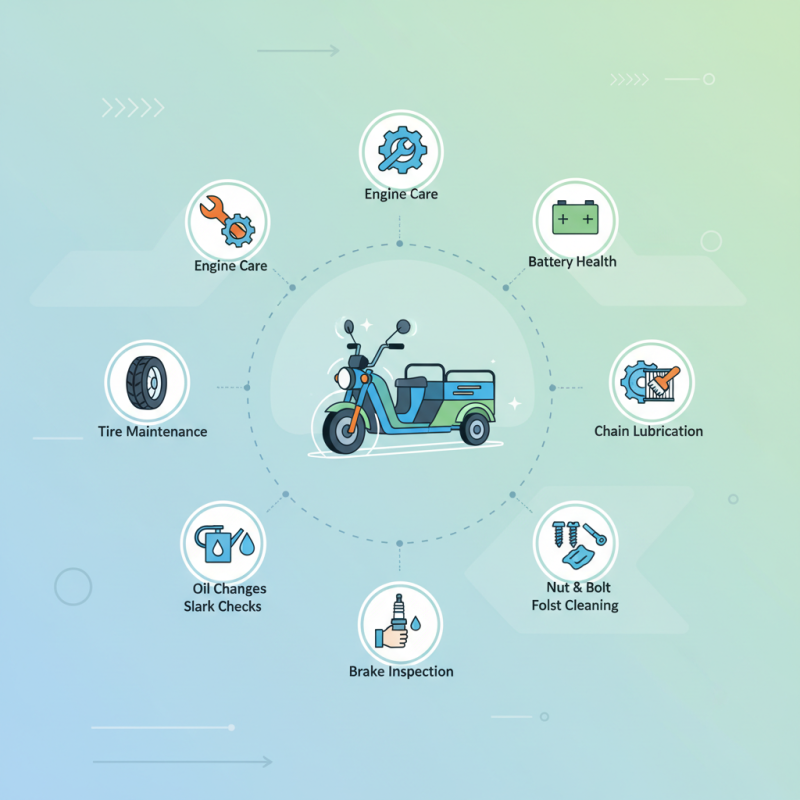
Regular maintenance is crucialfor ensuring the optimal performance and longevity of your Gasoline Tricycle. One of the essential tasks is checking the oil levels regularly.Engine oil lubricates and cools the engine components, preventing undue wear. Make it a habit to inspect the oil before each ride and change it according to the manufacturer’s recommendations. Keeping the air filter clean is equally important; a clogged filter restricts airflow, leading to reduced efficiency and performance. Cleaning or replacing it regularly can enhance the engine's operation and fuel efficiency.

Another vital maintenance task involves inspecting the tires. Proper tire pressure is necessary for safety and performance; under-inflated tires can result in poor handling and increased fuel consumption. Additionally, check the tread depth regularly to ensure good traction on various surfaces. Brake inspectionis essential as well; worn-out brakes can compromise your safety. Regularly check the brake pads and fluid levels to ensure they are within the recommended range. By focusing on these routine maintenance tasks, you can keep your Gasoline Tricycle running smoothly and safely for years to come.

Tips for Proper Fuel Use and Storage in Gasoline Tricycles

When it comes to efficiently maintaining your Gasoline Tricycle, proper fuel use and storage are crucial to ensure optimal performance and longevity. First, always opt for high-quality fuel from reputable stations, as contaminated or low-grade fuel can lead to engine problems or inefficiencies. It’s also important to check the octane rating recommended for your tricycle model; using the correct octane not only maximizes performance but also prevents knocking and engine damage. When filling the tank, avoid topping it off, as this can cause overflow and lead to spillage, not to mention waste fuel.

Storage is another important aspect of fuel maintenance. If you plan on leaving your Gasoline Tricycle unused for an extended period, consider adding a fuel stabilizer to the tank. This helps prevent fuel degradation and keeps the system clean. Additionally, it's wise to store the tricycle in a cool, dry place and ensure that the fuel tank is filled to about three-quarters full to minimize air exposure, which can contribute to moisture buildup and fuel degradation. Regularly check for leaks or signs of corrosion in the fuel system, as early detection can prevent more serious issues down the line.

Fuel Efficiency Tips for Gasoline Tricycles

How to Keep Your Tricycle's Tires in Optimal Condition

Maintaining the tires of your Gasoline Tricycle iscrucial for ensuring safety, performance, and fuel efficiency. Regular inspection is the first step toward optimal tire condition. Check for signs of wear and tear, including cracks, punctures, or uneven tread wear. If you notice any of these issues, consider replacing the affected tire. Additionally, keep an eye on the tire pressure, as under-inflated or over-inflated tires can lead to reduced handling and increased risk of blowouts. Aim to check the pressure biweekly or before long trips, adjusting it according to the manufacturer's recommendations.

Proper cleaning and maintenance of your tricycle's tires can extend their lifespan significantly. Remove debris and dirt regularly to prevent buildup, which can affect tire balance and performance. You can also apply tire dressings to protect them from harsh elements and enhance their appearance. Moreover, rotating your tires every few months can ensure even wear, which is vital for maintaining stability and traction. If your tricycle has a heavier load on one side or if you frequently drive on uneven terrains, tire rotation becomes even more critical to prolong tire life and ensure a smoother ride. Regularly attending to these guidelines will help keep your tricycle’s tires in top-notch condition.

The Importance of Routine Inspections for Safety and Performance

Routine inspections are a critical aspect of maintaining the safety and performance of your gasoline tricycle. By regularly checking essential components, you can identify potential issues before they escalate into costly repairs or safety hazards. Make it a habit to conduct thorough checks of the brakes, tires, lights, and engine. This proactive approach not only enhances the longevity of your tricycle but also ensures a more enjoyable riding experience.

One essential tip to remember is to perform a monthly oil check. Regularly changing the oil keeps the engine lubricated and operating smoothly, preventing premature wear. Additionally, always inspect the tire pressure and tread; under-inflated or worn tires can significantly affect handling and safety. Keeping an eye on these small details can make a big difference in your tricycle's overall performance.

Another vital inspection involves checking the braking system. Ensure that brake pads are in good condition and that the brake fluid is at the appropriate level. Addressing any discrepancies promptly will enhance your control and safety while riding. Implementing these routine checks can prevent breakdowns and contribute to a safer environment for both you and other road users.

10 Essential Tips for Maintaining Your Gasoline Tricycle Efficiently

Tip Description Frequency Importance
Check Engine Oil Ensure that the engine oil is at the correct level and is clean. Every month High
Inspect Tires Check for proper inflation and any signs of wear or damage. Weekly High
Brake System Check Ensure brakes are responsive and examine for wear. Every month Critical
Battery Maintenance Inspect battery terminals for corrosion and ensure it is charged. Monthly High
Clean Air Filter Remove and clean the air filter to ensure proper airflow. Every 3 months Medium
Fuel System Check Inspect fuel lines for leaks and ensure fuel is clean. Every month High
Check Lights Ensure all headlights, brake lights, and turn signals are functional. Monthly Medium
Lubricate Chassis Apply lubricant to moving parts to reduce friction. Every 6 months Medium
Test Suspension Inspect shocks and springs for wear and adequate performance. Every year High

Identifying Common Issues and Troubleshooting Your Gasoline Tricycle

10 Essential Tips for Maintaining Your Gasoline Tricycle Efficiently

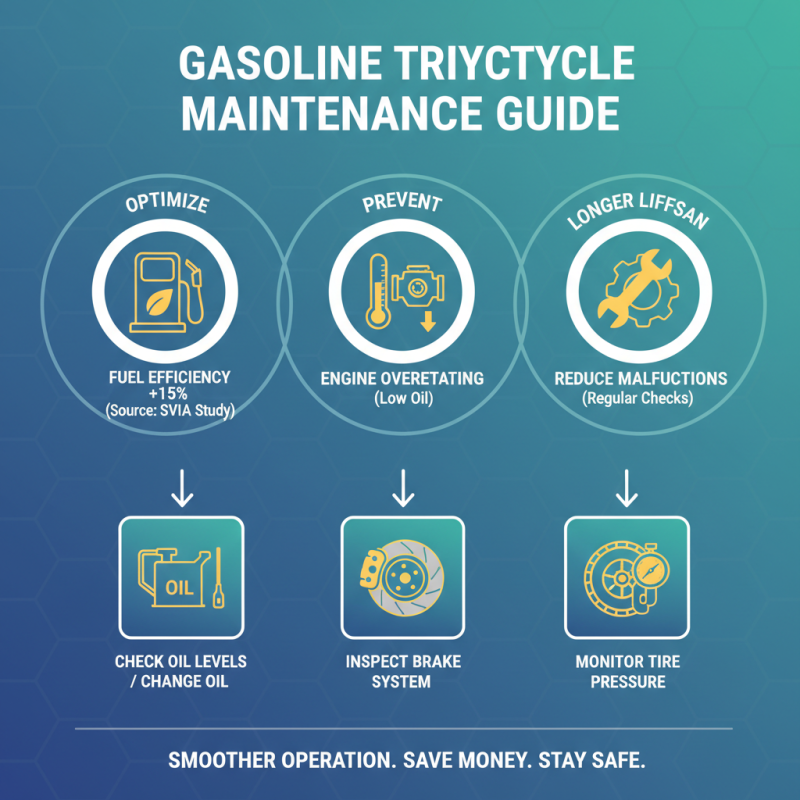
When it comes to maintaining your gasoline tricycle, identifying common issues and troubleshooting effectively can ensure a longer lifespan and smoother operation. A comprehensive study by the Specialty Vehicle Institute indicates that regular maintenance can improve fuel efficiency by up to 15%. Common problems often arise from neglecting routine checks such as oil levels, brake systems, and tire pressure. For instance, low oil levels can lead to engine overheating, significantly reducing the vehicle's performance. Regular inspections and timely oil changes not only prevent severe malfunctions but also optimize the tricycle’s fuel consumption.

Another frequent concern involves ignition and starting failure, which can stem from a variety of sources including battery health, spark plug conditions, and fuel quality. According to the International Council on Clean Transportation, approximately 20% of starting problems are attributable to poor fuel quality and degraded components. Ensuring that you use clean, high-quality fuel and replacing worn-out spark plugs can dramatically enhance starting reliability. Moreover, maintaining the electrical connections and battery allows for better responsiveness and prevents frustrating delays when you’re ready to hit the road. Regular cleaning and maintenance can mitigate these issues, keeping your gasoline tricycle running efficiently.

Best Practices for Maintaining Cleanliness and Exterior Care

10 Essential Tips for Maintaining Your Gasoline Tricycle Efficiently

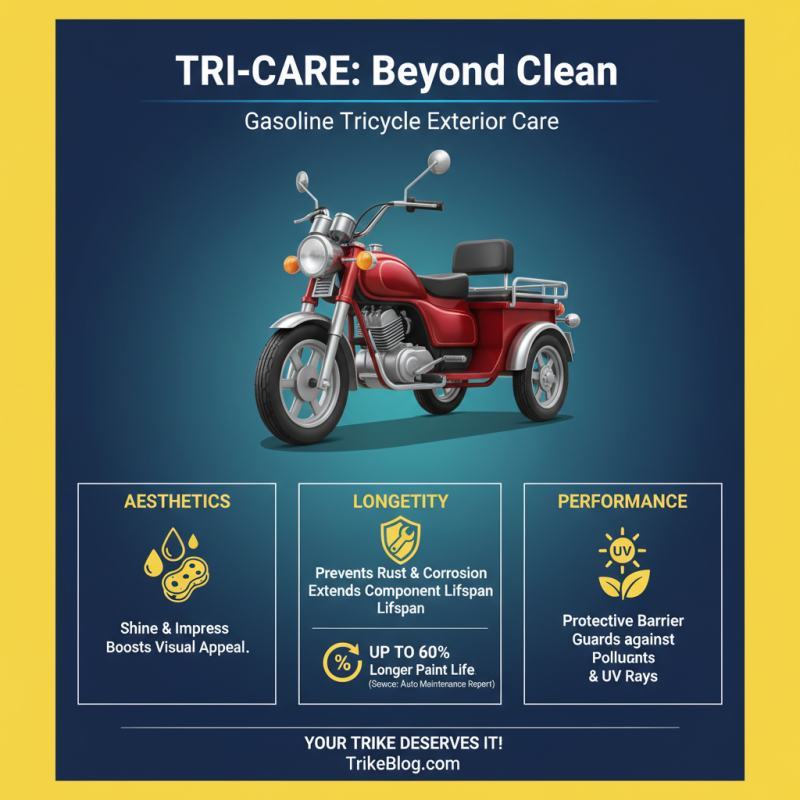
Maintaining the cleanliness and exterior care of your gasoline tricycle plays a crucial role in not only its aesthetic appeal but also its longevity and performance. A well-kept exterior can prevent rust and corrosion, which are major threats to metal components. According to a report from the Automotive Maintenance Industry, regular cleaning and waxing can increase the lifespan of a vehicle's paint by up to 60%. This not only enhances appearance but also provides a protective barrier against environmental pollutants and UV rays.

To ensure your tricycle remains in top condition, establish a cleaning routine that involves washing it at least once a month, particularly if it’s frequently exposed to dust, dirt, or corrosive substances. Use mild detergents and soft cloths to avoid scratching the surface. Additionally, applying a quality wax can create a protective shield that repels water and dirt, making future cleaning easier. It’s also advisable to regularly inspect and clean the wheel wells and undercarriage, as debris accumulation in these areas can lead to long-term damage. According to the National Association of Automotive Professionals, neglecting these areas can reduce the trike's performance efficiency by as much as 15%.

FAQS

: What type of fuel should I use for my gasoline tricycle?

: Always opt for high-quality fuel from reputable stations, as contaminated or low-grade fuel can lead to engine problems or inefficiencies.

How important is the octane rating for my tricycle?

It's crucial to check the recommended octane rating for your tricycle model, as using the correct octane maximizes performance and prevents engine knocking and damage.

What should I avoid when filling my tricycle's fuel tank?

Avoid topping off the tank, as this can cause overflow, lead to spillage, and waste fuel.

How can I store my gasoline tricycle properly if not in use?

If leaving your tricycle unused for an extended period, consider adding a fuel stabilizer to the tank, store it in a cool, dry place, and keep the fuel tank about three-quarters full to minimize air exposure.

How can I maintain the cleanliness of my gasoline tricycle?

Establish a cleaning routine that includes washing your tricycle at least once a month with mild detergents and soft cloths to avoid scratches.

Why is waxing important for my tricycle's exterior?

Applying quality wax creates a protective barrier against environmental pollutants and UV rays, enhancing appearance and increasing the lifespan of the paint.

How often should I inspect the undercarriage and wheel wells of my tricycle?

It's advisable to regularly inspect and clean these areas, as debris accumulation can lead to long-term damage and reduce performance efficiency.

What are the consequences of neglecting cleanliness and exterior care?

Neglecting cleanliness can lead to rust and corrosion, which threaten metal components and significantly reduce performance efficiency over time.

Conclusion

Maintaining your Gasoline Tricycle efficiently involves understanding its basic components and performing essential regular maintenance tasks. Regular upkeep includes oil changes, filter replacements, and checking the brake system to ensure optimal performance. Proper fuel use and storage are also crucial; always utilize the recommended fuel and store it in a safe environment to enhance your tricycle’s longevity.

Additionally, keeping your tricycle's tires in good condition is vital for safety and efficiency. Routine inspections can help identify potential issues early, allowing for timely troubleshooting and repairs. Lastly, maintaining cleanliness and caring for the exterior not only improves aesthetics but also protects the components from wear and tear. By adhering to these tips, you can ensure your Gasoline Tricycle remains a reliable mode of transportation.

Lila

Lila

Lila is a dedicated marketing professional at KAVAKI, a modern large-scale enterprise strategically located with its production base in Foshan and offline stores and warehouses in Guangzhou. With a deep understanding of the company's diverse product range, including motorcycles, tricycles,......
Previous How to Choose the Best Road Tricycle for Your Adventure Based on Industry Insights and User Preferences