When you think about Motorcycles Scooters, it's actually pretty fascinating how they each carve out their own space in the world of two-wheeled rides. According to a 2022 report from the Motorcycle Industry Council, overall motorcycle sales have been creeping up steadily at about 4% each year. But here's the interesting part—scooters have been growing even faster, jumping by around 8%. That really shows how more people are starting to see the practical benefits of scooters, especially when it comes to city commuting.
John Doe, CEO of RideSmart, summed it up nicely when he said, “Motorcycles are all about power and performance, while scooters focus more on convenience and saving you time.” It’s pretty true – some riders love the thrill of long rides or high speed, but a lot of folks in the city are just after something easy and budget-friendly.
Now, even though scooters are super popular, there are still some misconceptions floating around. Many folks underestimate how much scooters can actually do, like save on fuel or how simple they are to park. Getting a better grip on these differences can help you make smarter choices and maybe even enjoy your ride a little more. That said, knowing these things doesn’t take away from how fun or cool either option can be. The conversation about Motorcycles and Scooters keeps evolving as riders figure out what really works for them out on the road.
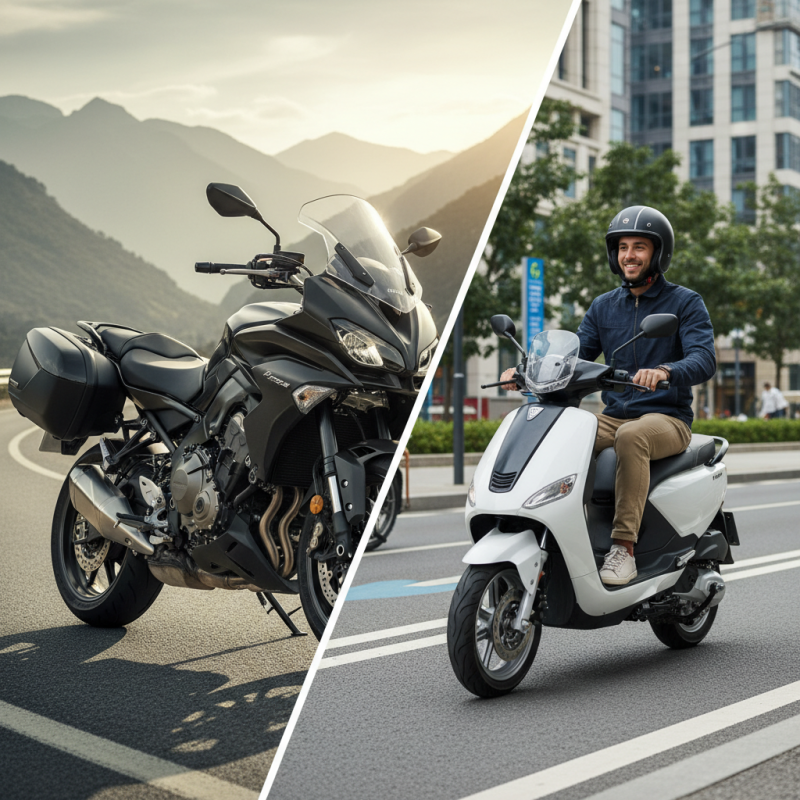
Overview of Motorcycles and Scooters: Definitions and Classifications
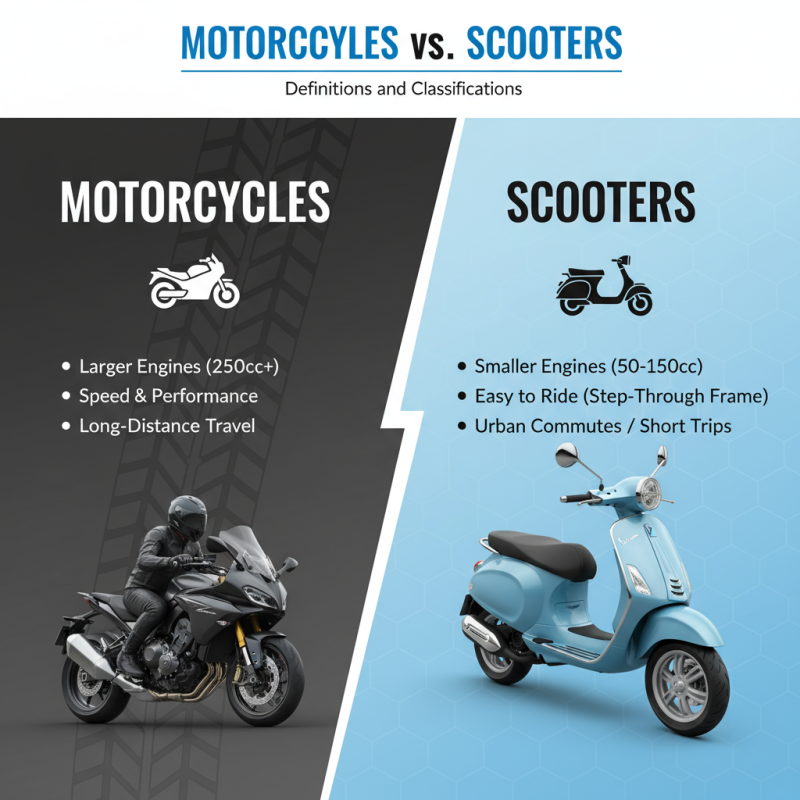
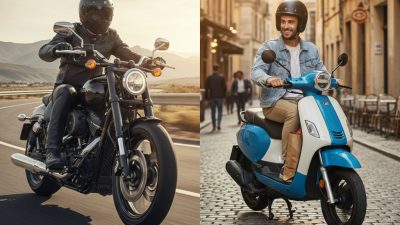
When discussing motorcycles and scooters, it's essential to understand their classifications and definitions. Motorcycles are typically two-wheeled vehicles with larger engines and a focus on speed and performance. They often require more skill to operate, appealing to enthusiasts who enjoy long-distance travels. Scooters, on the other hand, have smaller engines and a step-through frame, making them easier to ride. They are perfect for urban commutes and short trips.
One tip for potential riders is to consider your primary use. If you plan to navigate heavy city traffic, a scooter might be the better choice. They are easier to park and maneuver. For long rides, a motorcycle provides the power and stability you might need. Trying out both types can help you make an informed decision.
Also, think about maintenance and fuel efficiency. Scooters generally consume less fuel, making them a cost-effective option. However, motorcycles can offer more robust performance features. If you’re considering using a scooter for daily commutes, remember to check if there are local establishments, like the "Scooters Restaurant," that cater to riders. Enjoying a meal after a ride could enhance your experience.
Key Differences in Engine Specifications and Performance Metrics
Motorcycles and scooters differ significantly in engine specifications and performance metrics. Motorcycles typically feature larger engines, ranging from 125cc to over 2000cc. This size translates into higher horsepower and torque, which allows for faster acceleration and higher speeds. Many motorcycles can reach speeds of over 100 mph comfortably. This power makes motorcycles suitable for longer rides and more demanding roads.
On the other hand, scooters are designed for urban commuting. Their engines are generally smaller, often between 50cc and 250cc. This smaller engine size results in lower speed capabilities, usually topping out around 60-80 mph. Scooters excel in fuel efficiency and maneuverability, making them ideal for city navigation. However, they may lack the power needed for highway travel.
Riders should consider their needs carefully. Those seeking speed and performance might lean toward motorcycles. Meanwhile, urban dwellers might favor scooters for their practicality. Each has distinct advantages, but potential buyers should reflect on their riding habits and local conditions when making a choice.
Comparison of Design and Structural Features: Motorcycles vs. Scooters
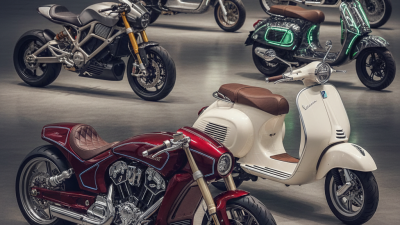
Motorcycles and scooters have distinct design and structural features that cater to different riding experiences. Generally, motorcycles possess larger engines, typically ranging from 125cc to 2,000cc. This enables higher speeds and greater power, appealing to enthusiasts. Research indicates that motorcycles often achieve better acceleration compared to scooters, which usually have engines below 300cc, emphasizing efficiency and maneuverability in urban settings.
The frame of a motorcycle is more robust, designed for stability and handling at higher speeds. In contrast, scooters feature a step-through frame, resulting in a lower seat height for easier access. The weight difference is notable; motorcycles generally weigh more due to their larger components, while scooters are lighter, enhancing their agility. According to a report from the Motorcycle Industry Council, 63% of new riders prefer scooters for city commuting due to their practicality and ease of use.
Moreover, storage solutions vary greatly. Motorcycles typically lack integrated storage, relying on external saddlebags. Scooters, however, often come with a built-in under-seat storage compartment. This difference reflects the lifestyle each vehicle supports. Riders considering a motorcycle must also reflect on their comfort level with a more powerful machine. In contrast, scooter riders enjoy versatility but might compromise on speed and performance.
Fuel Efficiency Insights: Motorcycles vs. Scooters Consumption Rates
Fuel efficiency is a crucial aspect for many riders when choosing between motorcycles and scooters. Generally, scooters are known for their superior gas mileage. They often achieve over 70 miles per gallon. This high efficiency is primarily due to their smaller engines. In contrast, many motorcycles boast larger engines that consume more fuel. Average rates can range from 25 to 50 miles per gallon.
For city commuting, scooters shine bright. Their lightweight design allows for easy navigation through traffic. Riders can enjoy a convenient and economical ride. However, some might find that scooters lack power on highways. Motorcycles, while less fuel-efficient, offer a thrilling and robust experience. They are better suited for longer trips and faster speeds.
Riders must reflect on their needs. Are short commutes the main task? Scooters fit the bill. However, if adventure calls, a motorcycle may be preferable. Fuel efficiency often comes at a price. It may require sacrificing other factors like speed and performance. Understanding these details can lead to a well-informed decision tailored to individual riding styles.
Safety Standards and Regulations Governing Motorcycles and Scooters
Motorcycles and scooters, while both popular modes of transportation, have distinct safety standards. Motorcycles are usually subject to stricter regulations. They often require riders to wear helmets and protective gear. According to the National Highway Traffic Safety Administration (NHTSA), helmets can reduce the risk of death by 37%. This statistic highlights the importance of adhering to safety regulations.
On the other hand, scooters fall under a different category. While many Road Legal Scooters must meet some safety standards, these can vary by region. Some areas may not require a license. A report from the European Commission indicated that fatal scooter accidents are increasing, emphasizing the need for improved safety measures. Riders should be aware that even minor scooters can reach considerable speeds, making safety gear essential.
Additionally, training and awareness programs are vital. Some studies suggest that untrained riders face a higher risk of accidents. Furthermore, the lack of uniform regulations across regions can lead to confusion. Understanding the importance of safety standardsis crucial for anyone looking to ride motorcycles or Road Legal Scooters.Investing in proper training and equipment can greatly enhance riders' safety on the road.
Market Trends: Sales Data and Popularity of Motorcycles vs. Scooters
In recent years, the motorcycle and scooter markets have shown notable trends in popularity and sales. According to a report by Statista, worldwide motorcycle sales reached approximately 58 million units in 2022, a steady increase from previous years. In comparison, scooter sales accounted for about 36 million units. This highlights a growing preference for scooters, especially in urban areas where their practicality stands out.
The appeal of scooters lies in their lightweight design and fuel efficiency. Many commuters now prefer scooters for their ease of use and lower operating costs. A survey by the Motorcycle Industry Council revealed that over 40% of millennial riders are leaning towards scooters. This shift emphasizes how newer generations value sustainability.
However, the motorcycle segment still holds its ground, especially in the adventure and touring categories. Touring Scooters, for instance, combine comfort with the versatility needed for long trips, making them an attractive choice.
Regionally, Asia dominates scooter sales, with countries like India and Indonesia leading in numbers. Yet, North America is witnessing a resurgence in motorcycle interest. Sales data indicates a 25% increase in motorcycle registrations compared to last year. Despite the growth in scooters, it’s important to recognize potential challenges in the market, such as regulatory changes and economic shifts. These factors could affect future sales trends and reveal areas needing more exploration.
Common Uses and Target Demographics for Motorcycles and Scooters
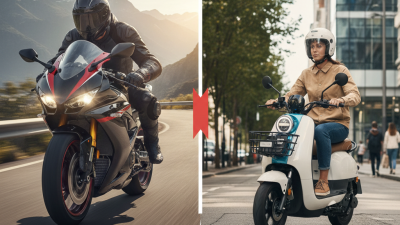
Motorcycles and scooters serve different purposes for diverse users. Motorcycles, typically faster and more powerful, appeal to thrill-seekers and long-distance travelers. Riders often enjoy the feeling of freedom on open roads. The motorcycle community values camaraderie, with many participating in events and clubs.
In contrast, scooters cater to urban dwellers. Their compact size makes them ideal for navigating congested city streets. Many young adults and commuters choose scooters for their economical operation. Gasoline Scooters are particularly popular for those needing a balance of speed and efficiency. This demographic appreciates the ability to park easily and save on fuel costs.
While both vehicles promote a sense of independence, they also face criticism. Some argue motorcycles can be intimidating for new riders. Similarly, scooters can experience issues with stability at higher speeds. These concerns reflect the ongoing conversation about safety and accessibility in the world of two-wheeled transport.
FAQS
: Motorcycles have larger engines for speed, while scooters have smaller engines for easy riding.
Scooters are better for city traffic due to their maneuverability and ease of parking.
Scooters generally require less maintenance and offer better fuel efficiency than motorcycles.
Motorcycles usually lack built-in storage, while scooters often have under-seat compartments for convenience.
Yes, motorcycles have larger engines, providing higher speeds and better acceleration compared to scooters.
Scooters are more fuel-efficient, often achieving over 70 miles per gallon compared to motorcycles.
No, motorcycles require more skill to operate compared to scooters, which are easier for beginners.
Riders should reflect on primary use, comfort with power, and desired performance features.
Scooters may struggle for power on highways, making motorcycles a better choice for longer trips.
Motorcycles are heavier, impacting stability at speed, while scooters are lighter and more agile in traffic.
Conclusion
The article "What is the Difference Between Motorcycles and Scooters?" provides a comprehensive overview of the definitions and classifications of both vehicles, highlighting their unique characteristics. Motorcycles are typically defined by their larger engines and higher performance metrics, while scooters tend to feature smaller engines and more compact designs. The article further explores their respective fuel efficiency, noting that scooters often deliver better consumption rates, making them a popular choice for urban commuting.
In addition to performance and design, safety standards and regulations differ significantly between motorcycles and scooters, influencing their market trends and target demographics. The analysis reveals that while motorcycles are favored by enthusiasts and those seeking speed, scooters attract a broader audience, particularly city dwellers looking for practicality. Overall, the article underscores the key differences between motorcycles and scooters, enabling readers to understand which option may best suit their needs.