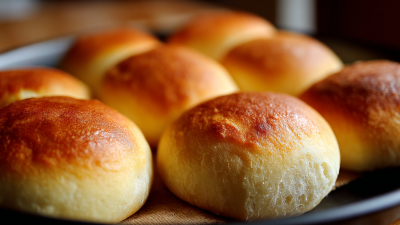
Have you noticed how Cut Keke is really starting to take off in today’s busy marketplace? It’s pretty fascinating because it offers a fresh, different way to think about food delivery and sharing. This isn’t just about grabbing a quick meal; it’s kind of reshaping how we connect over food. James Parker, who’s the CEO of FoodFlux and an industry pro, even said, 'Cut Keke turns everyday meals into a social experience.' Pretty cool, right?
So, here’s the gist: it’s all about slicing up food and sharing it around, which really encourages folks to interact more with their communities. You can easily pass your favorite dish to friends or neighbors — super simple. But, of course, there are some hurdles, like making sure the quality stays consistent and that everything’s safe during the cutting process. What works in one neighborhood might not fly in another, so there’s a bit of a learning curve.
As we start to get into this Cut Keke trend, it’s worth thinking about what it really means for us. Are we ready to change the way we eat and share? Can we keep the quality high while making sharing easier? The potential is huge, but honestly, we’re just getting started on this journey.

What is Cut Keke? An Overview of the Concept
Cut Keke is an emerging concept in digital finance, particularly within the decentralized finance (DeFi) space. It aims to simplify access to various financial services using blockchain technology. According to a recent industry report, the DeFi market has grown significantly, reaching a valuation of over $100 billion by late 2023. This rapid growth signals a shift towards more accessible financial tools for users worldwide.
The idea behind Cut Keke revolves around cutting complexity. Users can engage in financial transactions with minimal barriers. By leveraging smart contracts, individuals can simplify processes like lending, borrowing, and trading. In theory, this could lead to greater financial inclusivity. However, challenges persist. Security vulnerabilities and lack of user education are prominent concerns. Some reports indicate that almost 70% of new users face difficulties navigating platforms. This highlights the need for better resources and guidance.
Looking ahead, Cut Keke could reshape how we manage finances. With the right support and infrastructure, it might offer innovative solutions for both individuals and businesses. Still, the landscape is evolving, and many questions remain. How do we ensure security? How can we improve user experience? Engaging with industry experts may provide insights into these pressing issues.
The Evolution of Cut Keke in Cultural Practices
The practice of Cut Keke has seen an intriguing evolution over the years. Initially rooted in cultural traditions, it served as a communal activity. People gathered to share stories and experiences while participating in Cut Keke sessions. The energy was palpable, laughter filled the air, and connections deepened through this unique ritual.
With time, the nature of Cut Keke began to change. It became less about community and more individualistic. While this shift provided personal benefits, it also stripped away the shared joy. Many people now engage in Cut Keke alone, missing the vibrant communal aspect. Some question if this evolution truly honors traditional values.
Visuals of vibrant gatherings have faded, replaced by solitary experiences. The once colorful cultural canvas is muted. Reflecting on this transformation, one might wonder if modern practices dilute the essence of Cut Keke. Are we losing connections in our quest for personal gratification? The beauty of Cut Keke lies in its ability to bring people together, and this is worth reconsidering.
How Cut Keke is Made: Ingredients and Processes
Cut Keke is gaining popularity due to its unique appeal and versatility. The core ingredients are essential for its distinctive characteristics. Typically, it combines flour, sugar, and binding agents. Many recipes include flour types like rice or wheat for varied textures. Each ingredient contributes to the overall experience.
The processes involved in making Cut Keke can be meticulous. Mixing requires precise timing to achieve the desired consistency. Overmixing can lead to a different end result, which may lack the intended fluffiness. Baking at the right temperature is crucial. An oven temperature that's too high or too low risks ruining the texture. Studies show that the ideal baking range lies between 160°C to 180°C for optimal outcomes.
Interestingly, attention to detail matters here. Ingredients must be fresh for the best flavor. Some recipes suggest using a scale for accuracy, while others rely on volume measurements. This inconsistency can lead to different results, prompting bakers to reflect on their methods. It’s clear that while Cut Keke is straightforward, perfecting it demands practice and patience.
Cut Keke Production Process Overview
The Functionality of Cut Keke in Different Contexts
Cut Keke has emerged as a popular method in various contexts. Its functionality largely depends on how it's applied. In art, for example, Cut Keke allows for creative expression. Artists can manipulate materials in unique ways, creating stunning visuals. This method promotes experimentation, though it's not without challenges. Some artists struggle with precision. The process requires practice and an understanding of materials used.
In the culinary world, Cut Keke takes on a different role. Chefs use this technique for visual appeal and presentation. It transforms simple dishes into culinary masterpieces. The technique may seem straightforward, but mastering it is difficult. Timing and knife skills are crucial. Many find themselves frustrated when their cuts don’t meet expectations.
Despite its versatility, Cut Keke isn't perfect for everyone. Some may find it overwhelming. Others may question its necessity in their work. Reflection is key to determine if it aligns with personal goals. Embracing imperfection can lead to growth. In the end, the adaptation of Cut Keke varies widely and invites creativity in each unique context.
Cultural Significance of Cut Keke in Society
Cut Keke has emerged as a significant cultural phenomenon in various societies. This art form involves intricate designs, often made from a dough-like substance. These designs are not just for aesthetics; they tell stories and represent cultural heritage. In gatherings, the presence of Cut Keke can symbolize unity and shared experience.
The cultural significance of Cut Keke lies in its role during celebrations. It often graces festivals and communal events, acting as a centerpiece. People gather around, admiring the craftsmanship. Yet, while it's celebrated, some may overlook the labor involved in creating each piece. This can lead to questions about appreciation versus appropriation.
As communities embrace Cut Keke, it also faces challenges. The traditional practices can get overshadowed by modern interpretations. Some argue that the essence of this art form diminishes over time. Reflecting on this may invoke a desire to ensure that Cut Keke retains its cultural integrity. Understanding its roots could foster a deeper appreciation among enthusiasts.
Popular Variations of Cut Keke Around the World
Cut Keke has gained popularity around the world, with unique variations reflecting local tastes. In many cultures, this dish serves different purposes. For instance, in parts of Africa, it is enjoyed during festivals. The texture may vary from crispy to soft, depending on the region.
In Asia, you might find Cut Keke with exotic flavors. Ingredients could include spices or even fruits. Street vendors often sell these delicious treats, attracting many locals and tourists. Each variation tells a story. Yet, some may struggle to replicate the original taste or texture. The balance of flavors can be tricky to achieve.
In Latin America, Cut Keke might be sweet, often topped with flavors like chocolate or caramel. Friends gather to share this dessert during celebrations. These social moments are precious. But sometimes, it’s hard to get everyone to agree on the best style. Ultimately, each version brings a unique experience, highlighting culinary creativity.
Tips for Making Your Own Cut Keke at Home
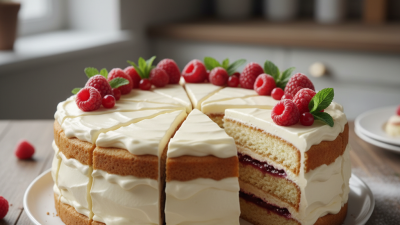
Cut Keke has gained popularity in recent years, especially for its unique visual appeal. This dessert is often made from layers of cake, cream, and various fillings. To ensure a successful Cut Keke at home, consider a few practical tips.
When making Cut Keke, focus on the choice of ingredients. Use fresh fruits or high-quality chocolates for a rich flavor. Keep a balance between sweetness and acidity. Industry reports show that desserts with a 60-40 taste ratio tend to be more appealing. Experiment with textures; a crunchy layer can elevate the experience.
In preparing the layers, precision matters. Aim for even layers for aesthetic appeal. The cake should not be too dry or too wet. Many home bakers struggle with this balance. If your first attempt doesn’t turn out perfect, reflect on what you could change next time. Baking is an art that often requires practice and patience.
FAQS
: Cut Keke typically includes flour, sugar, and binding agents. Variations may use rice or wheat flour.
Proper mixing ensures the right consistency. Overmixing can lead to a denser result.
The recommended baking temperature is between 160°C to 180°C. This range helps achieve the best texture.
Variations often reflect local tastes. Textures can range from crispy to soft, depending on the region.
Asian versions often include spices or fruits. These flavors add an exotic twist to the dish.
In Latin America, it is often sweet, with toppings like chocolate or caramel for celebrations.
Fresh ingredients enhance flavor. Using stale components can negatively impact the overall experience.
No, some use scales, while others use volume measures. This can lead to inconsistent results.
Achieving the perfect balance of flavors can be difficult. Some may struggle with replicating texture too.
Sharing Cut Keke often creates special moments among friends, especially during celebrations.
Conclusion
Cut Keke is a versatile cultural concept that has evolved over time, reflecting various traditions and practices within different societies. At its core, Cut Keke refers to a specific preparation method that involves a unique combination of ingredients and a detailed process. This dish serves multiple functions, ranging from festive celebrations to everyday nourishment, showcasing its adaptability in different contexts.
The cultural significance of Cut Keke cannot be understated, as it often embodies shared values and community ties. Around the world, popular variations of Cut Keke highlight regional tastes and customs, offering a glimpse into the diverse culinary landscape. For those interested in exploring this delightful dish, homemade versions can be crafted with thoughtful consideration of ingredients and techniques, allowing individuals to connect with this rich tradition personally.