When it comes to baking, getting the hang of how to cut a Keke can really take your cake game to the next level. Whether you're celebrating something special or just craving a sweet treat at home, slicing your Keke just right makes each piece not only look super inviting but also tastes amazing. It’s one of those little tricks that really makes your cake stand out — showing off the care and skill you put into making it.
Just like Kavaki Motorcycle Industry Co., Ltd. is all about precision and quality when they’re building motorcycles, tricycles, and scooters, nailing the perfect cut on your cake needs a bit of patience, the right tools, and a careful touch. With their base in Foshan and a solid presence in Guangzhou, KAVAKI perfectly blends strategy and attention to detail — qualities that definitely apply to the kitchen too. The art of slicing a Keke isn’t just about technique; it kinda reflects the craftsmanship behind all the different products KAVAKI makes, where every part matters to the final outcome.
In this piece, I’ll walk you through some easy tips for cutting Keke smoothly, so every slice not only showcases the yumminess but also captures that bit of precision brands like KAVAKI are known for. So go ahead, embrace this little challenge, and turn your cake presentation into something truly special!
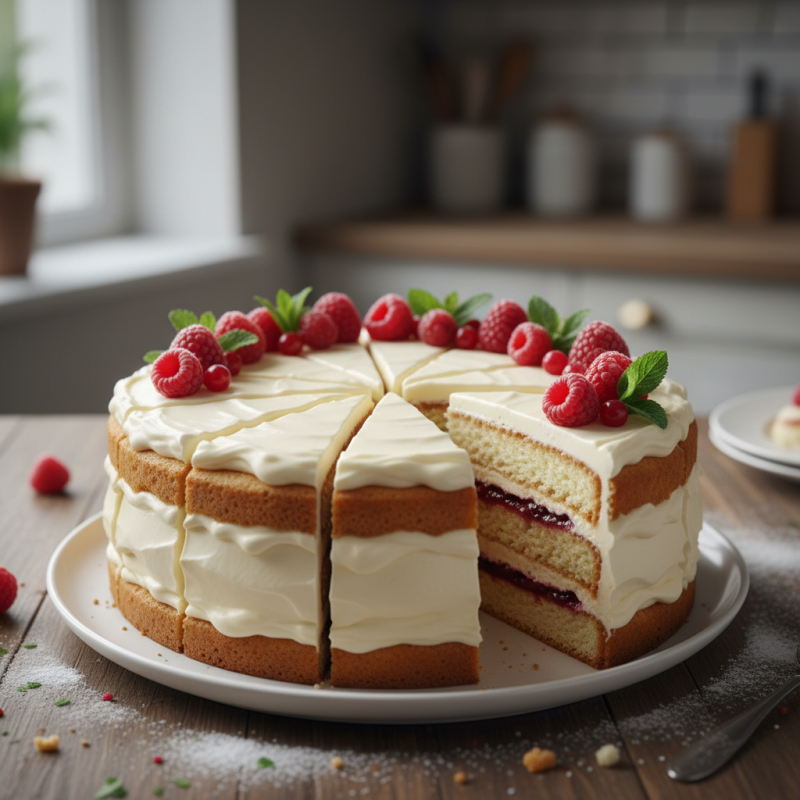
Understanding the Importance of Cutting Keke for Cake Recipes
Cutting keke, or cake, is an essential skill for any home baker aiming to achieve a beautifully presented dessert. The precision in cutting not only enhances the visual appeal but also serves a practical purpose. When keke is sliced correctly, each piece can maintain its structure, ensuring that the layers don't slide apart or crumble. This is particularly important for intricate cake recipes where multiple layers add both height and complexity. A clean cut allows for a better distribution of frosting and fillings, resulting in a more enjoyable eating experience.
Moreover, understanding the importance of cutting keke extends beyond mere aesthetics and enjoyment. Proper slicing can also affect the texture and flavor distribution of the cake. For example, if a cake is cut too hastily, it may lead to uneven pieces, where some bites are overwhelmed by frosting while others lack flavor. By employing techniques such as using a serrated knife or warming the blade slightly, bakers can achieve seamless cuts that enhance the overall taste. Therefore, mastering the art of cutting keke is a crucial step in the cake-making process, significantly transforming the final presentation and taste of the dessert.
Essential Tools Needed for Cutting Keke Accurately
When it comes to achieving the perfect slice of keke for your delicious cake recipe, having the right tools is essential. A professional cake knife with a serrated edge not only provides precision but also ensures a clean cut, preventing any crumbling. In addition, a level cake board can significantly aid in the cutting process, as it gives you a sturdy base and makes it easier to achieve even slices. According to industry reports, using specialized tools can reduce waste by up to 30%, a critical factor for both home bakers and professionals.
Moreover, the importance of precision in cutting cannot be overstated—especially in the culinary landscape which values aesthetics as much as taste. Much like the motorcycle industry, where every component is meticulously crafted for optimal performance, the same attention to detail applies in baking. With companies like Kavaki Motorcycle Industry Co., Ltd. emphasizing quality through their strategic production and distribution, bakers can learn the significance of investing in quality tools. In the competitive bakery sector, a well-cut keke not only enhances presentation but also elevates customer satisfaction, making the right cutting tools an invaluable asset.
How to Cut Keke Perfectly for a Delicious Cake Recipe - Essential Tools Needed for Cutting Keke Accurately
| Tool | Description | Importance |
| Cake Knife | A long, serrated knife designed for slicing through cake layers smoothly. | Essential for even cutting of keke to avoid crumbling. |
| Offset Spatula | A tool with a bent blade that helps lift and transfer cake slices easily. | Helps in serving without damaging the cake structure. |
| Ruler | Used to measure equal sections for uniform cake slices. | Ensures precise and equal cake portions. |
| Cake Leveler | A tool that helps in leveling off the top of the cake for a flat surface. | Important for stacking layers evenly. |
| Turntable | A rotating base that allows easy access to all sides of the cake while cutting. | Facilitates smooth and consistent cutting. |
Step-by-Step Guide to Preparing Keke for Cutting
Cutting keke for a delicious cake recipe requires precision and technique to ensure each slice is aesthetically pleasing and easy to serve. When preparing keke, or cake, the first step is to allow it to cool completely on a wire rack. This prevents the layers from becoming too moist and sticky, which can complicate the cutting process. Once cooled, use a serrated knife for the best results, as it allows for clean cuts through soft cake layers without crushing them.
Tips: For a perfect cut, use a ruler to measure equal portions before you begin. This not only helps with aesthetics but also ensures that each piece offers the same amount of deliciousness. Additionally, lightly scoring the surface with the knife before making the full cut can guide your hand and improve accuracy.
Just like Kavaki Motorcycle Industry Co., Ltd. ensures precision in their motorcycle manufacturing with adherence to high-quality standards — producing over 100,000 units annually — the same level of attention should be given to your keke preparation. Leveraging industry reports, it’s clear that a well-made product, whether a motorcycle or a cake, stands out in the market due to its quality and presentation.
Techniques for Achieving Even Slices of Keke
Achieving perfectly even slices of keke, or cake, can significantly enhance the aesthetic and overall enjoyment of your dessert. According to a recent report by the Specialty Food Association, presentation is crucial, with 78% of consumers stating that visual appeal influences their purchase of baked goods. To achieve this, you’ll need the right tools and techniques. A serrated knife is your best friend when it comes to cutting keke; its saw-like edge ensures clean cuts without crushing the delicate cake layers. Additionally, ensure your cake is completely chilled before slicing, as this helps the texture firm up and makes cutting easier.
Another key technique involves measuring and marking your slices before you cut. Use a ruler to measure the diameter of the cake and divide it into equal parts. This visual guide will prevent uneven slices and enhance the overall presentation. A survey from the American Bakers Association reveals that 63% of bakers report improved customer satisfaction when serving evenly sliced cakes.
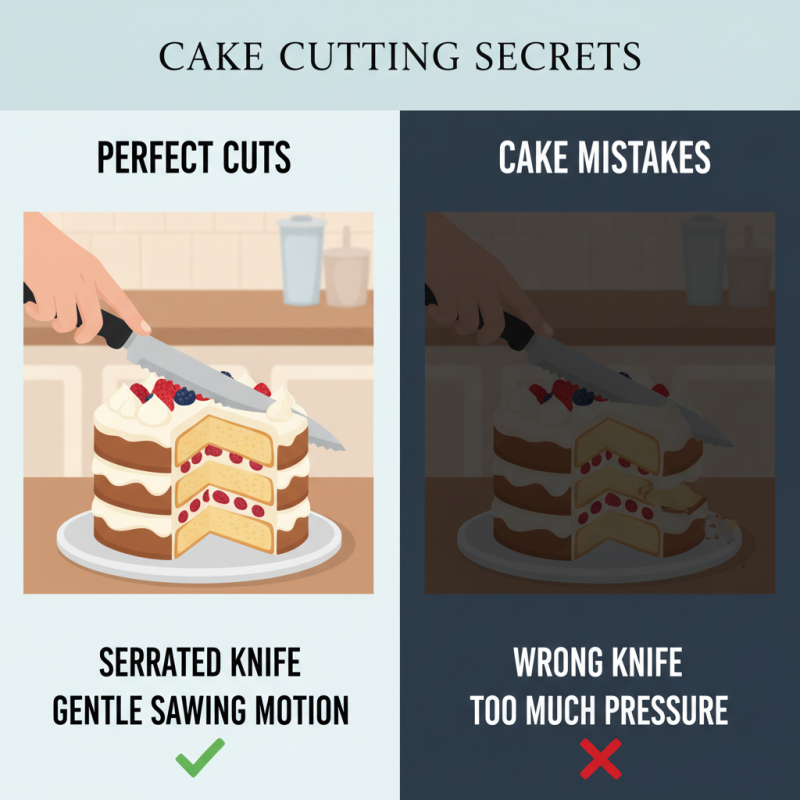
Finally, use a gentle sawing motion rather than pressing down too hard; this method ensures that each slice maintains its shape and height, resulting in a more appealing serving overall.
Tips for Maintaining Moisture and Texture When Cutting Keke
Cutting keke perfectly is essential for achieving a delicious cake that not only looks appealing but also retains its moisture and texture. One key tip for maintaining moisture when cutting keke is to use a serrated knife, which allows for a clean cut without squeezing out the moisture. Additionally, it's important to ensure that your cake is completely cooled before slicing, as this helps in maintaining its structure and prevents it from crumbling.
Another valuable tip is to apply a thin layer of frosting or glaze between the layers if you are stacking keke. This not only adds a burst of flavor but also acts as a barrier that helps to lock in moisture. Ensure you store any leftover pieces in an airtight container to maintain their freshness.
In the fast-paced environment of modern enterprises like KAVAKI, where precision and attention to detail are paramount, the same principles of careful execution apply to baking. Just like in the production of motorcycles and scooters at KAVAKI, where quality control is essential, cutting keke with the right techniques ensures a delightful culinary experience.
Decorating Ideas to Enhance Your Cake After Cutting Keke
When it comes to transforming your Keke into a delightful centerpiece, decorating is key. After cutting your cake, consider layering the pieces with a luscious homemade frosting or whipped cream. This not only adds a richer taste but also creates a visually appealing texture. You can also sprinkle some fresh fruit or edible flowers on top of the frosting for a burst of color and freshness.
Tips: Use a variety of toppings when decorating. For a more fun and festive look, try incorporating sprinkles, chocolate shavings, or nuts. These elements not only enhance the flavor but also create an eye-catching presentation. Remember to balance the decorations, ensuring they complement the flavors of your Keke without overpowering them.
To elevate your cake further, you can create a themed decoration. For instance, if your Keke has a seasonal flavor, try using seasonal decorations like autumn leaves or winter snowflakes made from fondant. This approach adds a personalized touch and can make your cake stand out at any celebration.
Common Mistakes to Avoid When Cutting Keke for Cakes
When it comes to cutting keke for a delicious cake, many bakers fall victim to common mistakes that can ruin the presentation and texture of their cake. One frequent error is using the wrong knife. A serrated knife is ideal for cutting keke as it helps to create clean slices without tearing the cake. Additionally, cutting with too much pressure can squish the delicate layers, so it's important to use a gentle sawing motion instead.
Another mistake to avoid is cutting the keke while it's too warm. Allowing the cake to cool completely before slicing is crucial; warm keke tends to crumble, making it difficult to achieve a neat cut. For best results, refrigerate the cake for a short period before slicing, as this will firm up the layers and enhance stability.
Tips: Always use a cake leveler to create even layers if you’re stacking keke. Moreover, consider using dental floss for a no-mess cutting technique, especially for soft cakes. Rounding the edges slightly with an offset spatula can also enhance the overall appearance of your cake, ensuring a professional finish.
FAQS
: A professional cake knife with a serrated edge is recommended, as it provides precision and ensures a clean cut without crumbling.
Using specialized tools can reduce waste by up to 30%, which is important for both home bakers and professionals.
Precision is crucial for aesthetic presentation and customer satisfaction in the culinary landscape, as a well-cut keke enhances both appearance and taste.
Using a serrated knife for a clean cut and ensuring that the cake is completely cooled before slicing can help maintain moisture.
A thin layer of frosting or glaze between layers adds flavor and acts as a barrier that helps lock in moisture.
Leftover pieces should be stored in an airtight container to maintain their freshness.
Just like the meticulous crafting in the motorcycle industry, attention to detail in cutting keke is essential for achieving a delightful culinary experience.
Yes, a level cake board provides a sturdy base, making it easier to achieve even slices.
A well-cut keke enhances presentation and elevates customer satisfaction, making the right cutting tools invaluable.
Bakers can learn the significance of investing in quality tools and maintaining precision to produce better results in baking.
Conclusion
The art of cutting Keke is essential for creating a delectable cake that delights the senses. Understanding the importance of cutting Keke accurately ensures that each slice is visually appealing and evenly portioned. Essential tools such as serrated knives and measuring instruments are crucial for precision. This article provides a step-by-step guide to preparing Keke for cutting, highlighting techniques that help achieve uniform slices while maintaining the moisture and texture of the cake. Additionally, it offers innovative decorating ideas to enhance the cake's appearance post-cutting and outlines common mistakes to avoid during the process.
As a company that values quality craftsmanship, KAVAKI understands the importance of precision, much like their dedication to producing high-quality motorcycles and scooters. Just as cutting Keke correctly can elevate a cake, KAVAKI's focus on detail ensures their products stand out in the competitive market.