Lately, with urban mobility needs booming, it’s no surprise that more folks are eyeing Gasoline Scooters. Did you know that, according to Statista, the global scooter market might hit around $49 billion by 2027? Crazy, right? This really reflects how many people are looking for affordable and practical ways to get around. Gasoline Scooters, in particular, are pretty essential—they offer the convenience you want without skimping on power.
When you're trying to pick out the best gasoline scooter for yourself, there’s a lot to think about. Things like engine size, fuel economy, and how heavy it is can make a huge difference in your daily ride. Some scooters are super lightweight and easy to handle—great for weaving through city streets—while others might be a bit heavier but better suited for longer trips. Honestly, it’s a good idea to think about what you really need so you don’t rush into a choice you might regret later.
Big names like Honda and Yamaha have tons of experience and a solid reputation, so they’re usually a safe bet. But don’t overlook smaller brands—they can sometimes offer quality rides at a much lower price. It’s really worth doing your homework, comparing different models, and reading reviews. Not every scooter fits every rider, and picking the wrong one can lead to discomfort or poor performance. So, take your time, listen to reviews, maybe even chat with some people who’ve ridden different bikes—getting all the info helps you make a smarter choice for your next gasoline scooter.
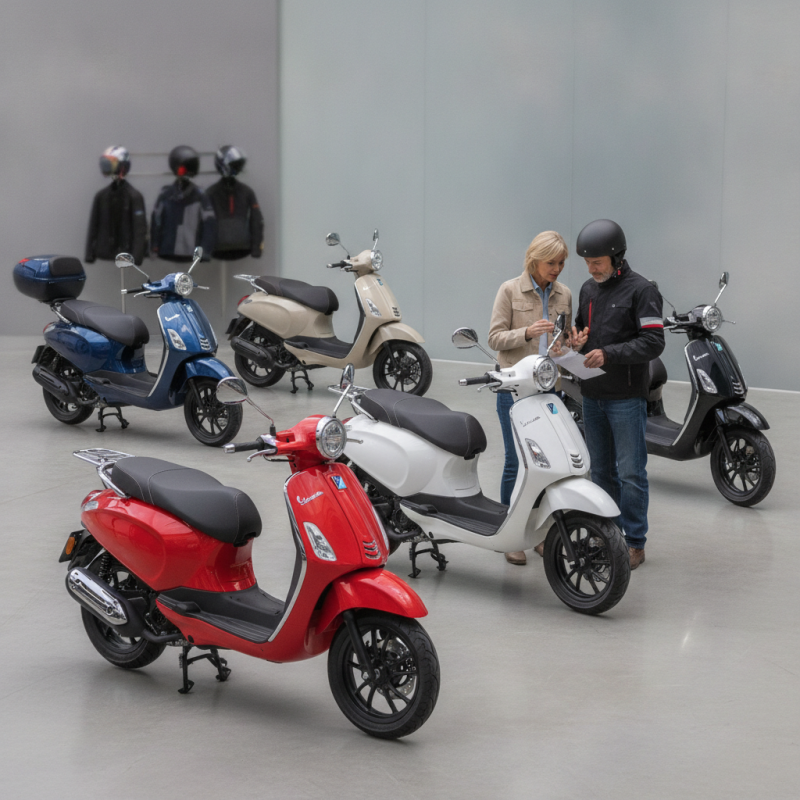
Understanding Your Transportation Needs
When choosing a gasoline scooter, understanding your transportation needs is critical. Factors like daily commute distance, terrain type, and local weather can greatly influence your decision. A 2022 report by the Transportation Research Board highlighted that 35% of urban dwellers prefer scooters for short trips, emphasizing their convenience.
Consider the riding conditions. If you often face steep hills or rough surfaces, a scooter with a powerful engine is essential. A scooter with at least 150cc can handle varied terrains more effectively. In contrast, if your rides are predominantly on flat roads, a smaller engine might suffice. Additionally, pay attention to fuel efficiency. Some models boast up to 75 miles per gallon, making them economical for regular use.
Your weight and height also matter. Most scooters have specific weight limits, which can affect performance. For heavier riders, a model with a robust build can ensure safety and stability. Reflect on your comfort as well. A seat that fits your body type can make daily commutes easier. Make sure to test ride your options, as a scooter that looks good may not feel right.
Evaluating Gasoline Scooter Features and Specifications
When considering a gasoline scooter, evaluating key features is crucial. Begin with engine size. A 50cc engine is ideal for short trips or city commutes, while a 150cc engine provides better power for longer distances. Fuel efficiency also varies by model. Look for scooters that offer at least 70 miles per gallon. This aspect can significantly reduce your overall costs.
Next, examine the weight capacity. Some scooters support heavier riders, while others do not. A heavier scooter might provide more stability. But, if weight is a concern, consider a lightweight model for easier handling. Braking systems vary too. Disc brakes enhance safety compared to drum brakes, especially in wet conditions.
Don’t overlook storage options. Some scooters come with built-in compartments, while others require additional accessories. This can dramatically affect your daily convenience. Comfort features, such as seat padding and handlebar height, may not seem essential but can greatly impact your riding experience. Always test these aspects before making a decision. Reflect on your personal needs, as they will guide you in selecting the right scooter.
Gasoline Scooter Features Comparison
Comparing Engine Sizes and Performance Ratings
When choosing a gasoline scooter, understanding engine size is crucial. Smaller engines, typically around 50cc, are ideal for urban commuting. They are lightweight, fuel-efficient, and provide enough power for city streets. However, they may struggle on inclines or during high-speed travel. If you plan to ride on highways, a larger engine, like 150cc to 200cc, is better. It offers more power and better performance, ensuring a smoother ride.
Performance ratings also matter. A scooter with a high-performance rating indicates better acceleration and top speed. Consider your daily usage. If you frequently visit the Scooters Restaurant or travel longer distances, opt for higher performance. Look up reviews and user feedback to gauge how models perform in real-world scenarios.
Pay attention to weight limits and handling. Heavier scooters can feel more stable but may be cumbersome at times. The balance between size and performance will impact your riding experience. While many factors influence your choice, recognizing your specific needs is essential. Remember, it’s about finding the perfect fit for your lifestyle.
Assessing Fuel Economy and Efficiency
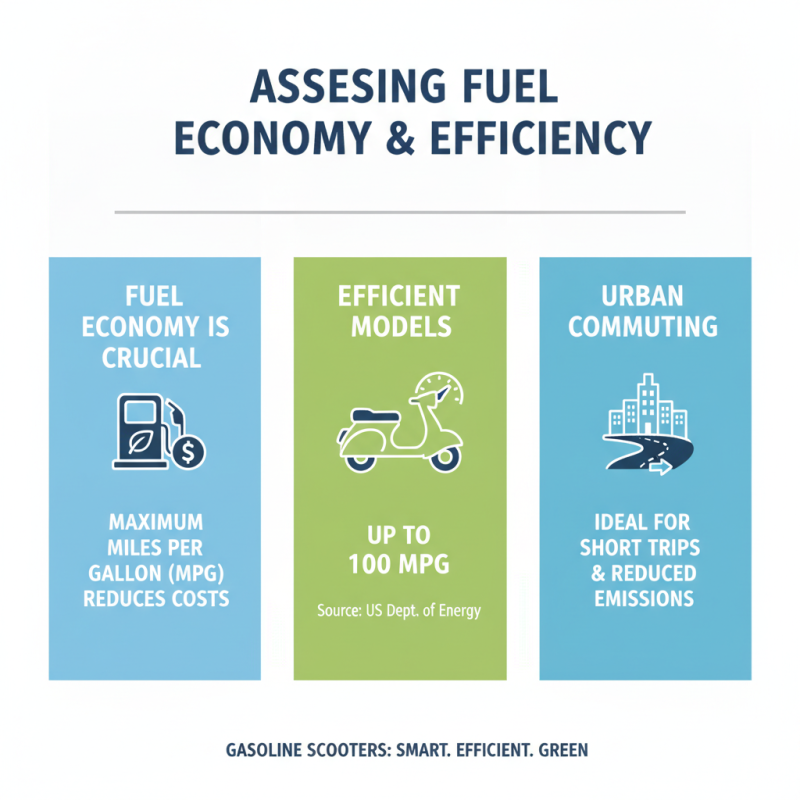
When choosing a gasoline scooter, fuel economy is crucial. Many riders look for efficient models that can offer maximum miles per gallon (MPG). According to the U.S. Department of Energy, some scooters achieve up to 100 MPG, significantly reducing fuel costs and emissions. This efficiency makes them an attractive option for urban commuting and short trips.
However, not all scooters are created equal. Fuel efficiency varies greatly among models. A scooter that advertises high MPG may not perform well in real-world conditions. Factors such as rider weight, terrain type, and speed affect actual fuel economy. For example, hilly terrains can reduce fuel efficiency by up to 30%. Riders often overlook this aspect when choosing Road Legal Scooters.
It’s also important to consider the type of engine. Two-stroke engines tend to be less fuel-efficient compared to four-stroke counterparts. The Environmental Protection Agency (EPA) ranks fuel economy based on several factors, including emissions. Selecting a scooter that balances power and fuel efficiency ensures better performance during everyday use. Potential buyers should research thoroughly and, if possible, test ride different scooters to find the best match for their needs.
Considering Safety Features and Compliance Standards
Choosing a gasoline scooter entails considering various factors, particularly safety features and compliance standards. Safety should never be compromised. According to the National Highway Traffic Safety Administration (NHTSA), over 5,000 scooter accidents occur yearly. To mitigate risks, look for scooters with anti-lock braking systems (ABS) and enhanced visibility features like reflective surfaces.
Compliance standards are crucial as they determine vehicle safety and environmental impact. The American Society for Testing and Materials (ASTM) indicates that scooters meeting their standards have lower injury rates. Specifically, scooters adhering to stringent emission guidelines produce fewer pollutants, ensuring compliance with environmental regulations. This may contribute to a safer riding experience. However, navigating these standards can be complex and confusing for new riders.
Additionally, testing performance metrics is essential. A recent study revealed that scooters with better tire grip can significantly reduce stopping distances. Some scooters may claim high top speeds but lack stability features. It’s essential to balance speed with safety. Remember, not all scooters are created equal; sometimes, a lower-powered scooter may offer a more reliable ride than its flashy counterparts. Be mindful as you evaluate your options.
How to Choose the Best Gasoline Scooters for Your Needs? - Considering Safety Features and Compliance Standards
| Model | Engine Size (cc) | Max Speed (mph) | Fuel Efficiency (mpg) | Weight (lbs) | Safety Features | Compliance Standards |
| Scooter A | 50 | 30 | 75 | 90 | ABS, Headlight, Turn Signals | DOT Certified |
| Scooter B | 125 | 50 | 65 | 110 | Dual Brake System, Reflectors | EPA Compliant |
| Scooter C | 150 | 65 | 50 | 120 | Security Alarm, LED Lights | ISO Certified |
| Scooter D | 200 | 75 | 40 | 150 | Traction Control, Anti-Theft | Euro 5 |
Reviewing Brand Reputation and Customer Feedback
When selecting the best Gasoline Scooters, brand reputation and customer feedback are crucial. Reports show that 75% of consumers rely on reviews before making a purchase. This aspect highlights the importance of transparency in customer experiences. Negative feedback can significantly impact a company's reputation. A study from the Consumer Product Safety Commission indicates that reliable brands often have lower return rates, reflecting customer satisfaction.
Customer feedback often reveals common issues. For example, many users report performance inconsistencies in various models. Identifying these problems can save you from costly mistakes. A survey by MotorTrend found that 70% of riders prioritizing reliability choose brands with consistent positive feedback. Scooters with numerous positive reviews often outperform those with mixed reviews.
Additionally, understanding the context of reviews is vital. Some negative comments are due to improper maintenance or unrealistic expectations. Reviewing brand reputation requires careful consideration. Feedback can guide you toward the right Motorcycles Scooters, helping you make informed choices. Ultimately, the intersection of brand reputation and customer insight plays a key role in purchasing decisions.
Budgeting for Purchase and Maintenance Costs
When budgeting for a gasoline scooter, consider both the purchase price and ongoing maintenance costs. According to the Motorcycle Industry Council, the average cost of a new scooter can range from $1,000 to $8,000. This large price range makes it crucial to assess your budget carefully. Touring Scooters may have a higher initial cost due to added features, but they can offer a smoother ride and greater comfort for long journeys.
Regular maintenance is vital. Experts suggest budgeting around 10% of the scooter's value annually for upkeep. Common maintenance tasks include oil changes, tire replacement, and brake checks. Many owners overlook these expenses, leading to higher costs down the line. Unexpected repairs can escalate quickly, sometimes costing several hundred dollars if not addressed promptly.
Tips: Always set aside extra funds for emergency repairs. Joining forums or local groups can help you learn from experienced riders about saving on maintenance. Don't forget that fuel efficiency plays a role too. Scooters typically average between 60 to 100 miles per gallon, which can affect your overall budget significantly. Consider how often you'll ride to ensure your favorite Touring Scooters fit within your financial plan.
Market Trends and Performance Analysis of 150cc to 250cc Engine Motorized Gasoline Tricycles for Cargo Transportation
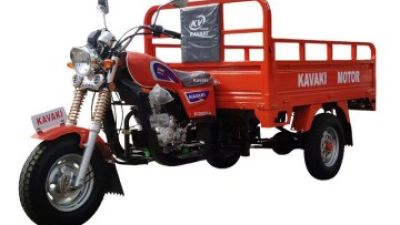
In the competitive landscape of cargo transportation, the market for 150cc to 250cc engine motorized Gasoline Tricycles is gaining traction, driven by rising demand for efficient and reliable delivery solutions. With their robust engine performance and tailored design for cargo handling, these tricycles are becoming essential for businesses that prioritize both functionality and cost-effectiveness. Specifically, a three-wheeler with a 200cc engine stands out, integrating an appealing design with dependable mechanics, making it an attractive choice for resellers aiming to fulfill varying market needs.
One notable feature of such tricycles is the spacious cargo box, measuring 1.8m by 1.2m, offering ample room to transport goods securely. This allows operators to maximize their delivery capabilities, accommodating loads of up to 800 kg. Additionally, the combination of a 4-stroke, air-cooled engine with an electric and kick start option ensures reliable performance in various conditions. This vehicle also boasts a commendable maximum speed of 65 km/h, providing a balance of efficiency and safety on urban roads.
The practicality of loading and transportation is further enhanced by the tricycle’s capacity, with loading quantities reaching 19 units per 20-foot container and 50 units per 40-foot container. This efficiency in logistics makes it an appealing asset for businesses in the cargo transportation sector, as it not only meets diverse operational demands but also offers substantial value for investment in the evolving market landscape.
FAQS
: Fuel economy matters because it can reduce fuel costs and emissions significantly.
Some scooters can achieve up to 100 MPG, which is appealing for urban commuting.
Real-world factors like rider weight, terrain, and speed can greatly affect fuel efficiency.
Hilly terrains can reduce fuel efficiency by up to 30%, which riders often overlook.
Two-stroke engines typically have lower fuel efficiency compared to four-stroke engines.
Experts recommend budgeting about 10% of the scooter's value for annual maintenance costs.
Common tasks include oil changes, tire replacement, and brake checks. Don’t overlook these.
Unexpected repairs can be costly, sometimes reaching hundreds of dollars if not addressed quickly.
Joining forums can provide valuable insights on saving maintenance costs from experienced riders.
Scooters averaging 60 to 100 MPG can significantly impact your overall riding budget.
Conclusion
When choosing the best Gasoline Scooters for your needs, it's essential to first understand your transportation requirements. Consider factors such as the type of terrain you'll be navigating, how often you'll be using the scooter, and the distance of your typical journeys. Evaluating the features and specifications of various models is crucial, as this includes comparing engine sizes and their corresponding performance ratings. This will help you select a scooter that meets your speed and power expectations.
Fuel economy and efficiency should also be assessed, as these elements impact long-term operating costs. Safety features and compliance with relevant standards are important for ensuring a secure riding experience. Additionally, researching brand reputation and customer feedback can provide insight into the reliability and performance of different Gasoline Scooters. Finally, don't forget to budget for both the initial purchase and ongoing maintenance costs to ensure your choice aligns with your financial plans.