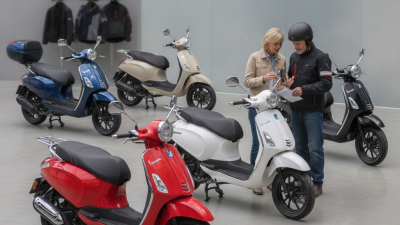
Let’s be honest, in today’s super busy world, getting around can be such a hassle. That’s where gasoline scootersreally come in handy for daily trips. I mean, as John Smith, who’s pretty much an expert on city transport and the CEO of Scooter Innovations, once put it, “Gasoline Scooters totally change how we move through crowded streets.” It’s an idea that’s really catching on with commuters everywhere.
Now, these scooters have quite a few perks. They don’t sip fuel like crazy, they’re easy on the wallet, and they’re great at weaving through traffic. So, they can actually save you time and help you stay a little less stressed during your daily commute. Plus, they don’t need much parking space, which is a big win in city areas. But hey, it’s not all smooth sailing—there are some things to watch out for.
For starters, reliability can differ quite a bit depending on the model, which impacts how safe and dependable they are. And let’s not forget, maintenance costs can sometimes creep up unexpectedly. So, it’s definitely a good idea to get a handle on these details before jumping in. Going for a gasoline scooter is definitely a smarter way to get around, but you gotta think about the pros and cons first—just to be on the safe side.

Benefits of Gasoline Scooters for Urban Commutes
Gasoline Scooters offer several advantages for urban commuting. They are compact and lightweight, making maneuvering through traffic easier. Riders can navigate tight spaces where cars struggle. This efficiency leads to shorter travel times. With Gasoline Scooters, daily commutes can become more enjoyable and less stressful.
Moreover, Gasoline Scooters tend to have a longer range compared to electric options. For longer distances, this extended range reduces the need for frequent refueling. Riders can aim for more adventurous routes, exploring new neighborhoods or scenic areas. However, potential buyers should consider fuel costs and the environmental impact as well. Not everyone may appreciate the emissions produced.
A significant benefit lies in the cost-effectiveness of Gasoline Scooters. They are usually more affordable than cars and require less maintenance. Owning a gasoline scooter means lower insurance rates. Yet, potential risks exist; many riders overlook safety gear. This oversight can lead to serious accidents. Understanding these aspects allows commuters to make informed choices. It’s essential to weigh benefits against potential drawbacks.
Fuel Efficiency Comparisons: Gasoline Scooters vs. Cars
When considering fuel efficiency, Gasoline Scooters often come out on top compared to cars. Many scooters can achieve more than 60 miles per gallon. This advantage significantly lowers fuel costs for daily commuters. Cars, on the other hand, can struggle to reach even 30 miles per gallon in city driving conditions. The difference in efficiency is crucial in urban settings, where traffic congestion is common.
Gasoline Scooters also require less maintenance, leading to additional savings. Regular oil changes and minor tune-ups are often less costly than car servicing. Moreover, scooters are easier to park, making them more suitable for crowded areas. However, some may argue that scooters lack passenger comfort and storage space. Whether this is a dealbreaker can depend on individual needs. Visiting a "Scooters Restaurant" could be a perfect spot for aspiring riders to learn more about these efficient machines, as many enthusiasts gather to share experiences.
Despite these benefits, it's essential to recognize the limitations of scooters, such as weather exposure and safety concerns. Riders should consider these factors seriously. Choosing a scooter needs careful thought about personal commuting requirements. Balancing efficiency with comfort and safety is vital.
Cost Analysis: Maintenance and Fuel of Gasoline Scooters
Gasoline Scooters present an appealing option for daily commuters. Their low maintenance costs often surprise new riders. Unlike cars, which require extensive upkeep, Gasoline Scooters are relatively simple. Regular oil changes and checking tire pressure are typically all that’s needed. Many owners find that they spend less time and money on maintenance over time.
Fuel efficiency is another strong point for these scooters. Most models can travel significant distances without needing frequent refueling. A small tank can last days, depending on riding habits. This efficiency can lead to substantial savings compared to other vehicles. However, some riders may underestimate fuel costs during price fluctuations in gasoline markets.
Choosing Road Legal Scooters also comes with considerations. Weather conditions can greatly affect performance. Riding in the rain or snow isn't always safe; this is worth reflecting upon. While they are cost-effective and efficient, riders must assess their personal needs. The initial excitement of a new scooter might fade when faced with usability issues. Balancing costs with practicality is key for both new and seasoned commuters.
Environmental Impact: Emissions of Gasoline Scooters
Gasoline Scooters have gained popularity due to their compact size and fuel efficiency. However, their environmental impact cannot be overlooked. Emissions from Gasoline Scooters contribute to air pollution, affecting urban areas significantly. These emissions release harmful gases like carbon monoxide and nitrogen oxides, which can have serious health implications.
While Gasoline Scooters are convenient, they also raise questions about sustainability. The reality is that using these vehicles often means prioritizing convenience over cleaner alternatives. Commute choices reflect personal values. Are we willing to sacrifice air quality for a quicker ride? More than just statistics, every ride contributes to the bigger picture of urban air quality.
Transitioning to electric options is worth considering. They produce zero tailpipe emissions, making a notable difference in reducing pollution. Embracing cleaner transportation can reshape our cities. Retrofitting existing Gasoline Scooters with cleaner technology is another avenue worth exploring. These steps may not seem sufficient, but they can lead to meaningful changes over time. The choice of Gasoline Scooters versus sustainable options remains a critical reflection point for our planet's future.
Storage and Portability Advantages of Gasoline Scooters
Gasoline scooters offer remarkable storage and portability advantages, making them ideal for commuters. Many models feature under-seat storage, accommodating a helmet or small bags. This allows riders to keep essentials close without the bulk, unlike traditional bicycles that often lack such convenience. According to a 2021 survey by the National Association of Scooter Riders, 70% of users reported enjoying the ample storage options available.
These scooters typically weigh between 150 to 300 pounds, allowing for easy maneuverability and transport. Riders can navigate crowded urban areas effortlessly. Many gasoline scooters also come with foldable designs, making them even more portable when needed. The Consumer Reports data indicates that over 60% of commuters preferred scooters for their light weight and ease of handling in city traffic.
However, it’s important to consider that while gasoline scooters provide advantages, they can still encounter limitations. Not all parking spaces accommodate scooters easily, leading to potential hassles. Users may face unexpected issues regarding fuel availability or maintenance costs. Riders often overlook the requirement for regular upkeep, which can lead to reliability concerns. Despite these challenges, the benefits of storage and portability remain significant for daily commuters.
Safety Features and Standards for Gasoline Scooters
Gasoline scooters are becoming a popular choice due to their practical use and economic benefits. Safety features play a crucial role when selecting one for urban commuting. Most models come equipped with hydraulic disc brakes, offering better stopping power in emergencies. Reflective surfaces on the body enhance visibility, especially during night rides. This can significantly reduce accident rates.
However, some scooters may lack robust safety standards. It's vital to check if the scooter complies with local regulations. Some riders notice a lack of stability at high speeds. This is where having a sturdy frame makes a difference. Additionally, a well-designed helmet is essential for any scooter rider. It’s the first line of defense against injuries.
Riders should also consider maintenance to ensure long-term safety. Regular checks on tire pressure and brake functionality can prevent unforeseen issues. While many appreciate the speed and convenience, one must remember that safety can never be compromised. Take the time to educate yourself on safety practices. Outdated knowledge can lead to serious risks. Every ride is an opportunity to focus on safety and responsible commuting.
Market Trends: Growth and Popularity of Gasoline Scooters
Gasoline scooters are becoming increasingly popular for daily commuting. This trend reflects a shift towards more compact and economical travel options. With rising fuel costs and urban congestion, people are looking for alternatives. The lightweight design of gasoline scooters makes them ideal for navigating busy streets.
Market research shows a steady increase in sales of gasoline scooters. Many individuals appreciate their efficiency and ability to bypass traffic. Touring Scooters, a subset of these models, offer extended comfort for longer rides. Riders enjoy the blend of style and functionality that these scooters provide.
However, the market is not without its challenges. Some concerns arise regarding emissions and environmental impact. Policymakers are pushing for greener alternatives. While gasoline scooters fit certain needs, they may not be the ultimate solution. Riders need to weigh the advantages against the potential drawbacks. In a rapidly changing transportation landscape, adaptability is key.
FAQS
: Gasoline scooters are compact and lightweight, making it easy to maneuver through traffic. They can reduce travel time significantly.
Gasoline scooters generally have a longer range, allowing for more adventurous routes without frequent refueling.
Yes, they tend to be more affordable than cars and have lower maintenance costs, which can save money over time.
Many riders neglect safety gear, increasing the risk of serious accidents. It's vital to prioritize safety while riding.
They contribute to air pollution, releasing harmful emissions that can impact health and urban air quality.
Yes, electric scooters produce zero tailpipe emissions, making them a cleaner option for urban commuting.
Using gasoline scooters may indicate a preference for convenience over sustainability, influencing overall air quality in cities.
Yes, retrofitting them with cleaner technology is a consideration, even if it seems like a small step.
They should weigh the benefits against the environmental impact and personal safety risks involved.
While they offer advantages, it’s essential to explore their limitations, especially regarding emissions and safety.
Conclusion
Gasoline scooters are increasingly becoming a popular choice for urban commuters due to their numerous benefits. Their impressive fuel efficiency significantly outperforms that of cars, leading to lower fuel costs. Additionally, maintenance expenses for gasoline scooters are generally lower, making them a cost-effective option for daily travel. Environmentally, while they produce emissions, advancements in technology are continually improving their impact.
Furthermore, gasoline scooters offer notable advantages in terms of storage and portability, allowing riders to navigate congested city streets with ease. Safety features are also a focal point, ensuring that riders are well-protected while on the road. As market trends indicate a growing acceptance and popularity of gasoline scooters, they represent a practical and feasible solution for urban commuting needs.