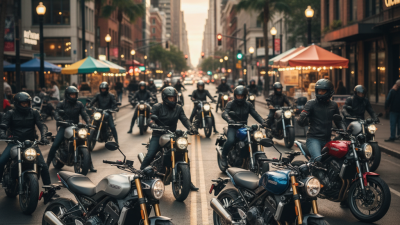
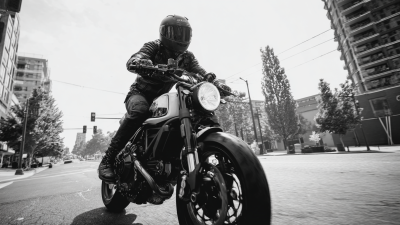
Picking out the right Street Motorcycle when you're just starting out can honestly feel pretty overwhelming. I mean, the market's full of so many options, each with its own little quirks and features. Like what expert John Smith from MotoGuides mentioned, “The best street bike is one that just strikes the right balance between comfort and control.” And honestly, that’s super important for newbies. Things like seat height, weight, and engine size can really make or break your confidence. A heavy bike might feel intimidating, while a lighter one can help you feel more at ease. Take the Harley-DavidsonStreet Bob Motorcycle — it's pretty popular because it’s not too heavy, and its power is manageable for beginners.
Speed and torque are important, too. But here’s the thing — riding the wrong model can lead to some real frustration, and comfort is king. Maybe a longer seat will make those longer rides better. Finding the perfect Street Bike usually means taking a few test rides, seeing what feels right for you. Not every bike suits every rider — it’s all about finding something that you trust and that makes you excited to hit the road.
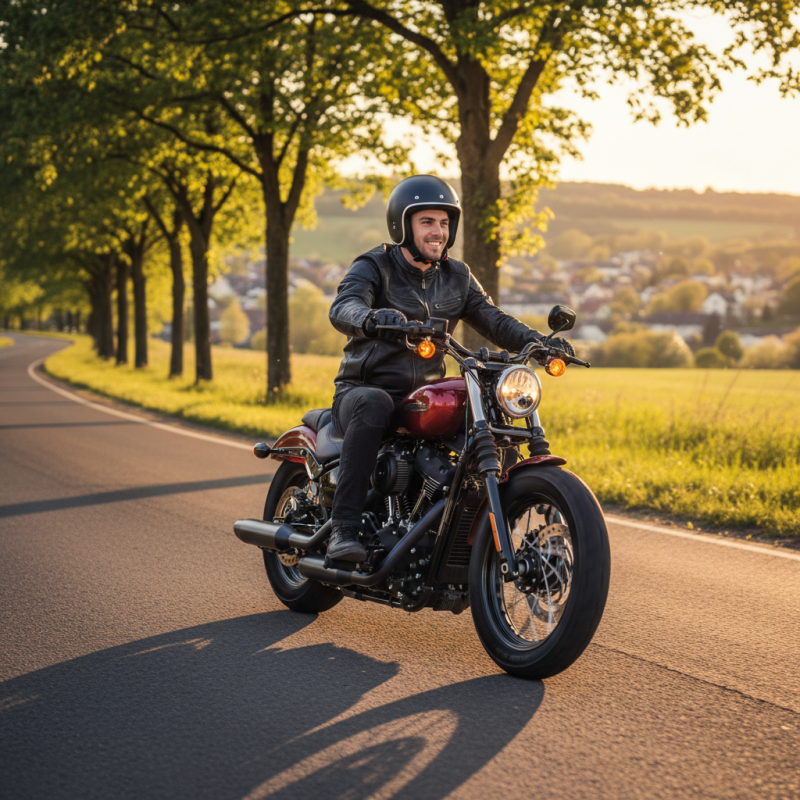
Understanding Your Riding Needs: Assessing Experience and Comfort
Choosing your first Street Motorcycle can be thrilling yet intimidating. Assessing your riding needs is vital for a great start. Consider your comfort level. Do you feel confident on two wheels? Reflect on the last time you rode. If you haven't had much experience, start with a lighter bike. A motorcycle that feels heavy might be daunting for beginners.
Next, think about your riding habits. Will you ride for fun or necessity? Short trips require different needs than long rides. For quick commutes, a nimble bike can be advantageous. Ensure it fits your height and reach. When sitting, can you flat-foot the ground? This simple check adds confidence. If you feel unstable, it may lead to anxiety on the road.
Safety is another crucial aspect. Take note of the bike's features. Look for easy-to-use controls. Are the brakes responsive? As a beginner, you want intuitive handling. Avoid overthinking your choice; it’s okay to feel unsure. Remember, every experienced rider was once a beginner. Embrace the learning process. Take your time to reflect on what truly suits you.
Types of Street Motorcycles Suitable for Beginners
When choosing a Street Motorcycle, beginners have several options. Cruiser motorcycles are often favored for their low seat height and relaxed riding position. They are comfortable for city rides and long distances. Sport Bikes offer agility and speed, catering to riders who enjoy a more thrilling experience. However, they can be less forgiving for novices.
Tips: Consider your comfort level. A lower seat height can make a huge difference. Also, think about the weight of the motorcycle. A lighter bike is often easier to handle, especially for new riders.
Standard motorcycles, known for their versatility, can be an excellent choice too. They offer upright seating and a balanced feel. Many beginners find this type easier to control. However, test ride different styles. Each bike has unique characteristics.
Tips: Always wear proper gear during test rides. It helps build confidence and ensures safety. Reflect on your riding style and preferences. This helps narrow down your options. Many new riders may feel overwhelmed initially. Don’t rush the decision; take your time to find the right fit.
Key Features to Consider When Choosing a Motorcycle
Choosing the right Street Bike Motorcyclefor beginners can be a daunting task. Pay attention to the bike's weight. A lighter motorcycle is generally easier to handle. Many novices struggle with heavy bikes. It can be frustrating for new riders. Seat height is another crucial factor. An ideal Street Bike motorcycle should allow the rider to reach the ground comfortably. This boosts confidence and improves control.
Consider engine size as well. Smaller engines, around 250cc to 500cc, provide ample power for beginners without overwhelming them. This size promotes better learning experiences. Many newcomers mistakenly choose larger engines, thinking more power equals better performance. This can lead to dangerous situations.
Brakes and suspension performance matter too. Look for bikes with good braking systems. Effective brakes enhance safety and boost the rider’s confidence. A smooth suspension is vital as well. It absorbs bumps and enhances comfort during rides. Novice riders often overlook these details, which can impact their overall experience. The focus should remain on building skills and comfort on the Street Bike motorcycle.
Best Features for Beginners' Street Motorcycles
This chart illustrates the average specifications for beginner Street Motorcycles across key features such as engine size, weight, seat height, fuel efficiency, and price. These factors are essential in helping new riders select an appropriate motorcycle that suits their needs.
Importance of Motorcycle Weight and Height for New Riders
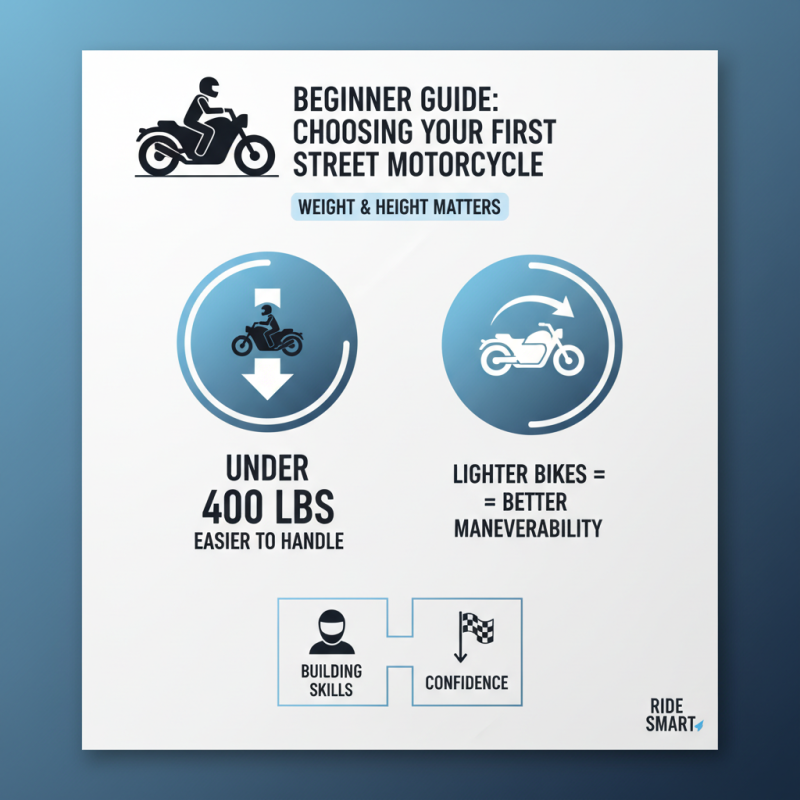
Selecting the right Street Motorcycle is crucial for beginners. One key aspect is the weight and height of the motorcycle. Industry reports indicate that motorcycles under 400 pounds are generally easier to handle for new riders. Lighter bikes enhance maneuverability. This is essential for those still developing their riding skills.
Rider height also plays a critical role. If the bike is too tall, it might be difficult for a beginner to reach the ground. A flat-footed stance can build confidence. According to a report from the Motorcycle Industry Council, around 25% of new riders feel uncomfortable due to improperly sized bikes. This discomfort can lead to accidents or discouragement.
Many new riders may overlook the importance of weight distribution. A motorcycle with a lower center of gravity feels more stable. Experienced riders maintain that stability is vital for confidence. Riders should consider how their bike feels while stationary and in motion. Understanding these aspects could greatly improve the early riding experience.
Safety Gear and Accessories for Beginner Motorcycle Riders
When starting your journey as a beginner motorcycle rider, safety gear is paramount. A well-fitted helmet should be your first purchase. Look for one that meets safety standards. It should feel snug but comfortable. A good helmet protects against head injuries.
To complement your helmet, consider wearing reinforced gloves and a durable riding jacket. These items provide extra protection in case of a fall. They can reduce road rash significantly. Riding pants should also be on your list. Invest in gear with extra padding and abrasion-resistant materials.
Tips: Always layer your clothing. This lets you adjust to changing weather. Visibility is crucial. Choose colors that stand out on the road. Don't overlook boots; they should cover your ankles and provide grip. When you ride a Street Glide Motorcycle, balanced and proper gear reduces risk. Always re-evaluate your safety equipment as you grow in your riding skills. Stay aware and prioritize safety.
Budgeting for Your First Street Motorcycle: Cost Factors
When budgeting for your first street motorcycle, understanding cost factors is crucial. A new rider often overlooks the expenses beyond the purchase price. According to industry reports, first-time motorcycle buyers can expect to spend an average of $5,000 to $10,000. This range includes not only the motorcycle but also safety gear and insurance. Insurance premiums can vary widely, with basic coverage averaging between $300 to $1,000 per year.
Maintenance costs are another critical factor. Regular servicing can add up, often costing $300 annually if done at a shop. If you choose to DIY, you might save money but risk affecting the bike's longevity. Moreover, additional expenses such as registration fees and licensing should not be ignored. These can amount to several hundred dollars, depending on your location.
Many beginners also underestimate the importance of safety gear, which is essential. Investing in quality helmets, jackets, and gloves can easily add another $500 to your budget. It is essential to ensure your Street Legal Motorcycle adheres to regulations, which may influence your purchase decision. Assessing these financial aspects early can make your riding experience more enjoyable and less stressful.
Test Riding: How to Make an Informed Decision Before Purchase
Test riding a motorcycle is essential for beginners. It allows you to experience different handling, comfort, and power. A recent report indicated that 78% of novice riders felt more confident after test riding multiple models. This experience is invaluable when considering a Motorcycle Street Fighter.
During your test rides, pay attention to how the bike feels. Is it too heavy? Does it feel stable at low speeds? These factors can influence your riding confidence. Many riders suggest starting with lighter models. They are easier to maneuver, especially for those new to street riding.
The fit of the bike matters too. Make sure you can comfortably reach the controls. A study found that 65% of new riders selected a motorcycle based on feel during a test ride. Take your time. Reflect on how each model makes you feel. Test riding is not just a formality. It’s a crucial step in making a well-informed decision.
Exploring the Benefits and Features of the 150CC Two-Wheeled Fuel Motorcycle for Enthusiasts and Daily Commuters
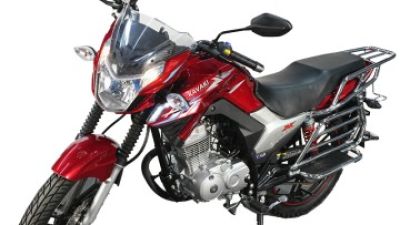
For motorcycle enthusiasts and daily commuters alike, the 150CC two-wheeled fuel motorcycle offers an exhilarating balance of power, efficiency, and style. With an air-cooled engine that provides a robust performance, riders can enjoy a thrilling experience on both urban roads and open highways. The five-speed gear system ensures smooth transitions, making it easy for riders to navigate through varying terrains while optimizing their fuel efficiency.
Comfort and reliability are further accentuated by a well-designed braking system, featuring a disc brake in the front and a drum brake in the rear, which enhances safety without compromising on performance. The compact dimensions of the motorcycle, combined with its sleek black finish, make it not only an efficient mode of transport but also a stylish addition to any rider's collection. Whether you're commuting to work or embarking on weekend adventures, this motorcycle is engineered to meet the demands of everyday use while satisfying the thrill-seeking spirit in every rider.
FAQS
: The product aims to enhance daily productivity and improve overall organization.
Start by identifying your key tasks. Then, incorporate the product into your routine gradually.
Yes, many features allow for personalization. Try different settings to find what works best for you.
Review the user manual carefully. Sometimes, small adjustments can lead to big improvements.
Yes, many resources are online. Community forums often share tips and experiences, which can be helpful.
Regular evaluations are essential. Consider checking in monthly to see if adjustments are needed.
Rushing into using all features at once can overwhelm you. Take it slow and focus on one function at a time.
Integration with other tools is often possible. Experiment to see how it fits into your current workflow.
Reflect on your goals. Sometimes, reevaluating your needs helps in maximizing benefits.
Look for improvements in your efficiency and organization. If there’s no change, it might be time to adjust.
Conclusion
Choosing the best street motorcycle for beginners involves several key considerations. First, it's essential to assess your riding needs by evaluating your experience level and comfort with motorcycles. Beginners should opt for specific types of street motorcycles that are more manageable, lightweight, and suited for their skill level. When selecting a motorcycle, pay close attention to important features such as seat height, engine displacement, and overall weight, as these factors greatly affect handling and ease of use.
In addition to the motorcycle itself, investing in proper safety gear and accessories is crucial for new riders to ensure protection on the road. Budgeting for your first street motorcycle involves understanding various cost factors, including insurance and maintenance. Finally, test riding different models is an invaluable step that can significantly influence your decision and help you find the perfect street motorcycle that aligns with your personal preferences and comfort.