The Cycle Tricyclehas been gaining a lot of popularity with families lately, and for good reason. A lot of folks, including experts in child development and cycling like Dr. Emma Green, have pointed out that Cycle Tricycles are a safe way for kids to boost their confidence and get a feel for balancing. Honestly, that rings true not just for the little ones but for adults too—anyone looking for some fun, active stuff can get something out of it.
What’s cool about Cycle Tricycles is how they blend fun with exercise. They come in different sizes, perfect for kids and grown-ups alike. Kids can safely explore their neighborhoods, while adults often use them as a comfy way to commute or just enjoy a relaxing ride. The stability and safety features of these trikes are a real bonus, no matter who’s on board. Still, with so many models out there, figuring out which one is right can feel totally overwhelming.
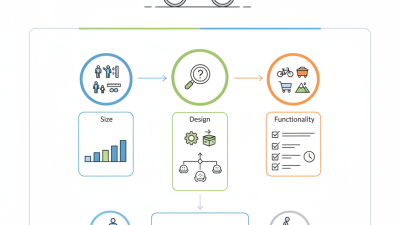
When you’re picking out a Cycle Tricycle, there are a few things to keep in mind. Size is obviously a big deal—does it fit well? Is it adjustable? And how much weight can it handle? Sometimes people overlook these details, only to end up feeling uncomfortable or frustrated. Getting the right fit is key to really enjoying your ride. In the end, choosing the right Cycle Tricycle isn’t just about convenience; it’s about supporting a healthier, more active lifestyle for everyone involved.
Benefits of Riding a Tricycle for Children
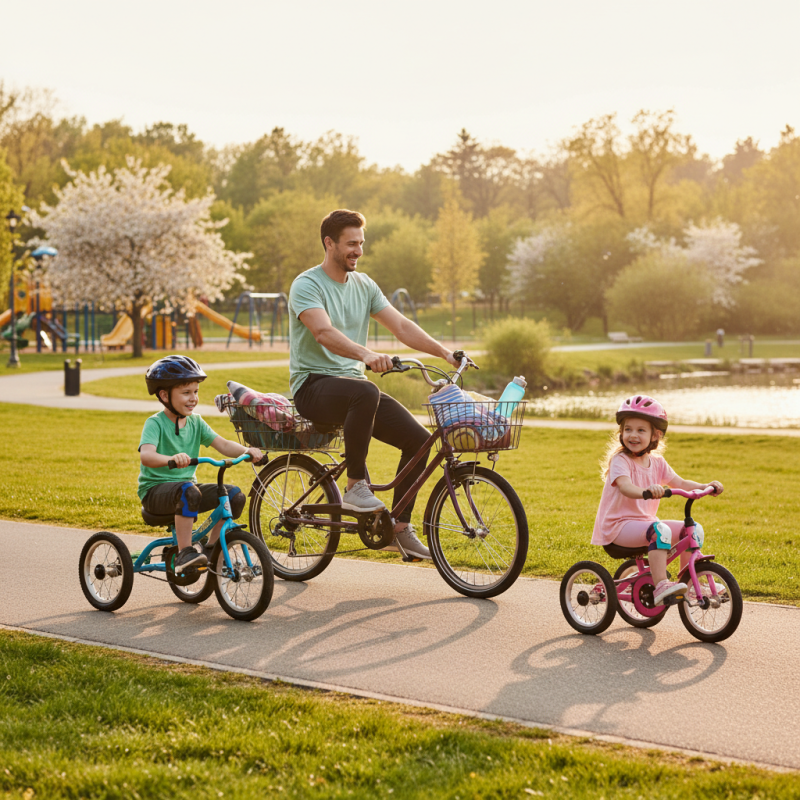
Riding A Tricycle brings numerousbenefits for children. It boosts their physical health. Pedaling helps strengthen leg muscles. Balance improves as they learn to navigate turns. Tricycles are stable and safer than bicycles, reducing the risk of falls. Kids can explore their surroundings while enjoying fresh air.
Tips: Choose A Tricycle that fits your child’s size. A comfortable fit prevents frustration. Check the handlebars; they should be easy to grip. Don’t forget safety gear. Ahelmet is essential, even during short rides.
Tricycles also enhance social skills. Children can ride with friends, encouraging teamwork and communication. They learn to share and take turns. Such experiences are foundational for personal growth. Sometimes, kids may argue over who gets to ride first, showing the need for guidance.
Mixing in a Scooter Cycle can add variety. This option can also promote different skills. It’s another way for kids to enjoy outdoor activity. Children need to feel encouraged to try different things.
Physical and Cognitive Development Through Tricycle Use
Tricycles can greatly enhance physical and cognitive development for both kids and adults. Riding A Tricycle requires balance and coordination. These skills are essential for overall physical growth. Children can develop muscle strength as they pedal. This simple activity can also help improve cardiovascular health. Adults can benefit from light aerobic exercise as well.
Cognitive development is equally important. As children navigate their environment, they learn about spatial awareness. They also engage their problem-solving skills when avoiding obstacles. Riding with friends encourages social interactions. This can improve communication skills and boost confidence. However, parents should monitor their children’s safety.
Tips for choosing A Tricycle include considering the child’s age and size. Always opt for adjustable features to ensure a good fit. Check the construction quality for durability. Safety should never be compromised. For adults, ensure the tricycle suits your physical ability. Reflect on your needs and preferences while choosing one. Tricycles can be fun, but they require thoughtful selection.
Tricycle Benefits for Adults: Fitness and Mobility
Tricycles offer various benefits for adults, especially in fitness and mobility. Riding A Tricycle can enhance balance and coordination. It is a low-impact exercise, making it suitable for all fitness levels. Many adults find it less intimidating than traditional bikes. A Tricycle provides stability, allowing for longer rides and more enjoyment.
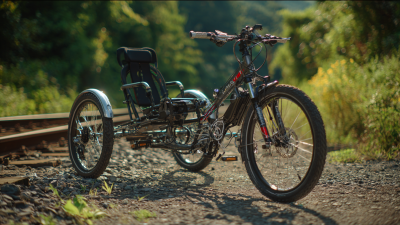
Consider your goals when choosing A Tricycle. If fitness is your aim, opt for a model with adjustable seat heights and multiple gears. You can also look for features like a sturdy frame. For ease of transport, a folding tricycle might be beneficial. Those who wish to ride on different terrains should consider aDirt Cycle option, which can handle uneven surfaces.
Tips: Always try A Tricycle before buying. Ensure it feels comfortable and rides smoothly. Focus on safety features, such as lights and reflectors. Remember that maintenance is key. Regularly check tire pressure and brakes to avoid unexpected issues. Riding regularly will keep you fit and improve your mood.
How to Choose the Right Tricycle for Different Age Groups
Choosing the right tricycle requires careful consideration of age and size. Young children often benefit from lightweight trikes with lower seats. This design helps them gain confidence as they learn to pedal. Trike Cycle options for toddlers should be simple to operate. Look for models with sturdy construction, offering support but encouraging independence.
For older kids, look for adjustable seats and handlebars. A trike that grows with them can be a wise investment. Teenagers may prefer models that blend exercise with fun. Features like storage compartments or additional safety equipment can enhance the experience. Always prioritize safety. Ensure the trike has reliable brakes and a stable frame.
Adults also enjoy tricycles for fitness or leisure. A comfortable design is vital for longer rides. Consider whether it’s easy to get on and off. Some models might be too heavy or bulky. Test the rideability before purchasing. Reflect on your needs and lifestyle to make the best choice in a Trike Cycle.
Cycle Tricycle Benefits for Kids and Adults How to Choose? - How to Choose the Right Tricycle for Different Age Groups
| Age Group | Recommended Type | Benefits | Stability Level |
| 2-4 years | Low Rider Tricycle | Improves balance, encourages physical activity | High Stability |
| 4-6 years | Standard Tricycle | Enhances coordination, promotes independence | Moderate Stability |
| 7-10 years | Adjustable Tricycle | Supports growth, allows for longer use | Moderate Stability |
| 11 years and up | Adult Tricycle | Promotes exercise, provides alternative transport | Low Stability |
Factors to Consider When Selecting a Tricycle
Choosing the right tricycle involves several factors. Begin with the age and size of the rider. A child's tricycle must accommodate growth. Comfort is key here. Look for adjustable seats. An adult tricycle needs a sturdy design for support and stability. Does it handle well? Test rides are essential.
Consider the type of tricycle. Are you aiming for recreation or exercise? Some models are lightweight, perfect for leisure. Others are built for more intense rides. Safety features matter too. Look for a good braking system. Reflect on whether you will use it on smooth paths or rugged terrain.
Storage can be a challenge. Some tricycles fold easily. Others may take up more space. Think about your living situation. Will you need to transport it often? Lastly, don’t overlook the color and style. A visually appealing tricycle can enhance the experience. A little research can help avoid regrettable choices later.
Safety Tips for Riding Tricycles for All Ages
When it comes to tricycle safety, awareness is key. Riders of all ages should wear properly fitted helmets. According to the National Highway Traffic Safety Administration, nearly 300 children under age 15 die in bicycle-related accidents each year. Tricycles, while generally safer, still pose risks if not used correctly or if safety gear is neglected.
Parents should supervise children, especially when they're learning to ride. It’s crucial for kids to be taught safe riding habits early on. A study by the Consumer Product Safety Commission indicates that around 70,000 emergency room visits each year are due to tricycle accidents. This highlights the importance of safe riding environments, like open, flat areas free from traffic. For adults, especially those using a Special Needs Tricycle, the same principles apply. They must ensure stability and comfort while riding to prevent falls.
Before hitting the road, check the tricycle for loose parts. Regular maintenance can prevent malfunctions. Choose models that match the rider's height and experience level. Safety features, like reflectors and bells, are also beneficial. Tricycles can be fun, but safety should never take a backseat.
Maintenance and Care for Your Tricycle
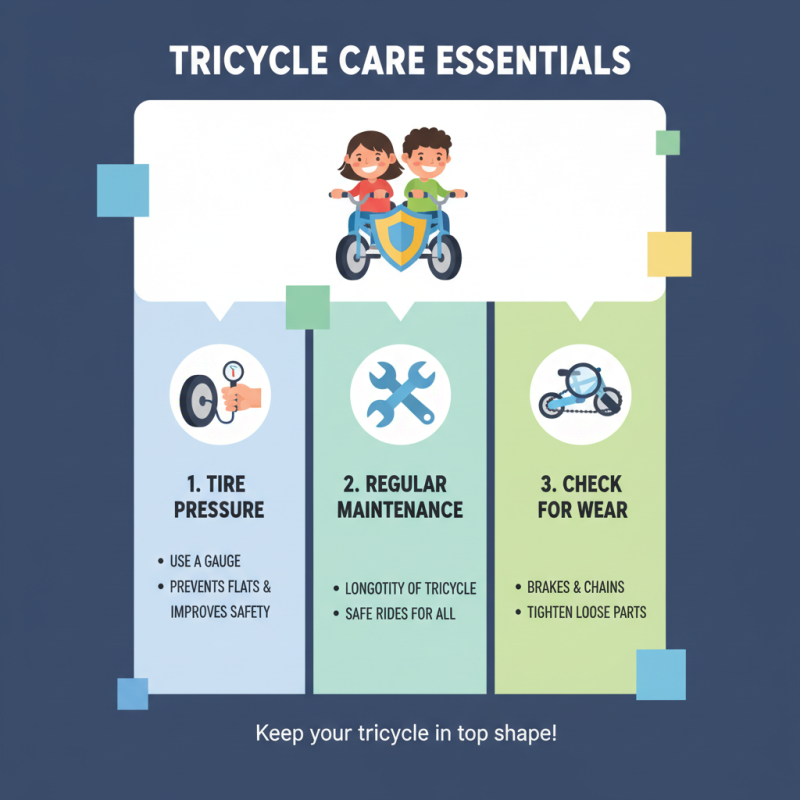
Taking care of your tricycle is crucial for its longevity. Regular maintenance helps ensure safe rides for your kids or yourself. Start by checking the tire pressure. Tires need to be correctly inflated to prevent flats. For a proper check, use a gauge. Under-inflated tires can affect speed and safety.
Next, inspect the brakes. Squeaky or dragging brakes can signal issues. If they feel loose, it might be time for adjustment. Cleaning your tricycle regularly is important, too. Dust and dirt can wear down parts over time. A simple wipe down after rides can go a long way. Sometimes, a quick wash is necessary. Just make sure to dry it well afterwards.
Don’t overlook the chain. It requires regular lubrication. A squeaky chain can be annoying. But it can also lead to bigger problems. Learn how to apply lubricant without overdoing it. Too much can attract dirt. This cycle of maintenance will keep your tricycle in great shape. It may seem tedious, but it saves time and money later. Remember, neglect can lead to costly repairs.
Conclusion
The article "Cycle Tricycle Benefits for Kids and Adults How to Choose?" explores the numerous advantages of riding a tricycle for both children and adults. For children, tricycles promote physical and cognitive development, enhancing their coordination and balance while providing a fun way to engage in outdoor activity. In adults, cycle tricycles serve as an excellent fitness tool, improving mobility and providing a low-impact workout option.
Choosing the right tricycle involves considering factors such as age, height, and purpose. Safety is paramount, with tips provided to ensure riders of all ages enjoy their experience without risks. Additionally, proper maintenance and care are crucial for ensuring the longevity of the tricycle. Overall, the article highlights the benefits of cycle tricycles and offers guidance on how to select and maintain them effectively.