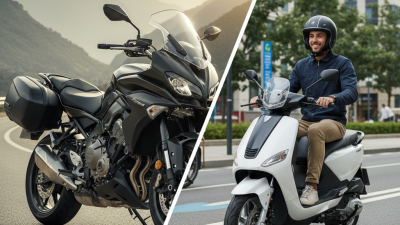
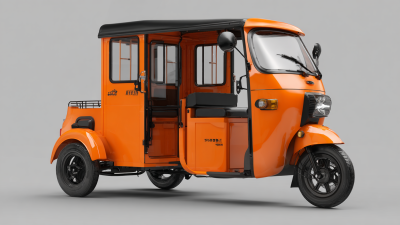
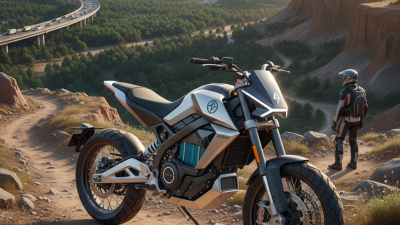
You know, the motorcycle scene is changing pretty fast these days—especially with Street Bikes really catching everyone's attention. I came across the 2022 Motorcycle Industry Council report, and it said that around half a million motorcycles were sold in the U.S. That’s a pretty big bounce-back, showing that more folks, especially young riders, are getting into street biking. Big brands like Harley-Davidson and Honda are really stepping up their game, offering more options to keep up with this rising interest.
Looking ahead to 2026, I think we'll see Street Motorcycles that are not just really cool looking but also packed with the latest tech and eco-friendly features. Electric bikes seem to be on the rise, mainly because people are more conscious about the environment and want to dodge downtown traffic jams. I read a survey from Statista — turns out, about 40% of new riders now consider eco-friendly options important. That’s a big shift, especially with models like theStreet Bob Motorcycle. Of course, some industry folks are a bit cautious, worrying about things like battery life or whether there are enough charging stations around.
One challenge for manufacturers is finding that sweet spot between style and performance. Riders want something that looks awesome but still packs a punch. Basically, if a product is going to be a hit, it’s gotta meet a lot of different wants. Brands will really need to keep innovating and also work through these hurdles if they want to stay ahead. Overall, the future of Street Motorcycles looks pretty exciting, but it’s clear there are some stuff they need to solve along the way.
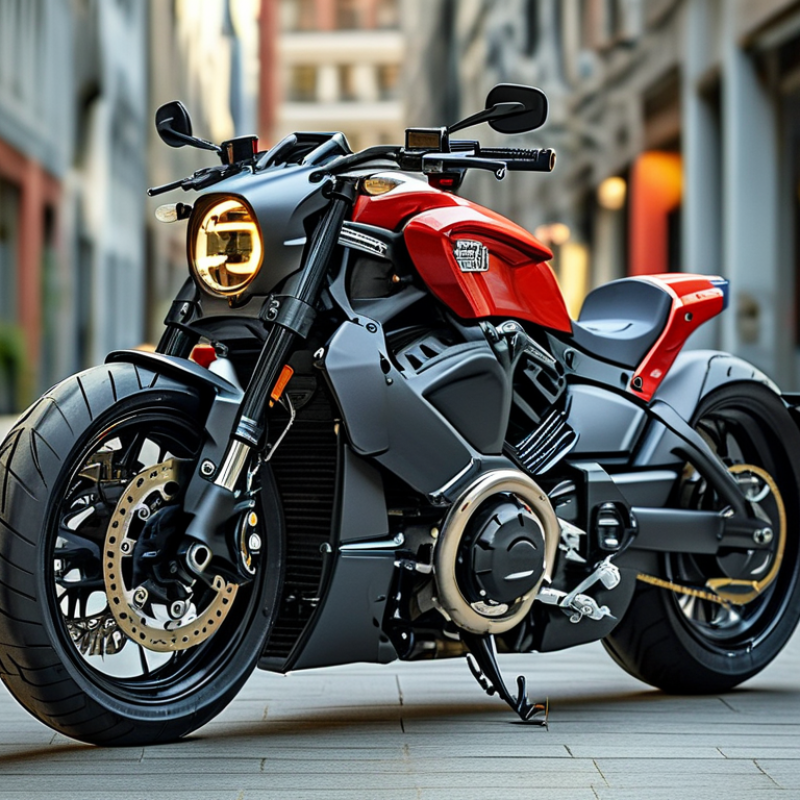
2026 Trends in High Quality Street Motorcycle Products in China
The Chinese Street Motorcycle market is evolving rapidly. In 2026, consumers seek quality and performance inStreet Bike Motorcycles. They want lightweight designs that offer agility and speed. Environmental awareness is also on the rise. Many riders prefer eco-friendly options without sacrificing power.
Innovations in electric motorcycle technology play a significant role. These Street Bike motorcycles promise reduced emissions and lower operational costs. Yet, there are challenges. Infrastructure for electric models is still developing in many regions. Also, battery life and charging times remain areas needing improvement. Riders often express concerns about range anxiety.
In addition to technology, aesthetic appeal is crucial. Customization options are becoming a priority for many buyers. Unique designs set bikes apart in the crowded market. However, the demand for customization raises questions about production. Balancing personalization with efficient manufacturing is a challenge that manufacturers must address.
Key Features of Top Street Motorcycles in 2026
In 2026, high-quality Street Motorcycles are set to showcase innovative features that redefine urban riding. Advanced safety systems will be paramount, including anti-lock braking and traction control. These enhancements aim to reduce accidents and improve rider confidence. Increased use of lightweight materials will enhance maneuverability without compromising strength. This shift aligns with the growing consumer demand for performance with sustainability.
New technologies are also emerging, focusing on connectivity. Riders will benefit from integrated GPS systems, allowing for real-time traffic updates. Smart helmets with augmented reality features are becoming popular, enhancing rider awareness. Reports indicate that nearly 40% of motorcycle enthusiasts prioritize tech features in their buying decisions. Finding a balance between tradition and innovation is essential for manufacturers.
Tips: Consider your commute when choosing a motorcycle. Urban riders may prefer lightweight designs for easy handling. Look for features that enhance safety and connectivity—these can be game changers. Stay updated on trends and innovations that can make your ride not just enjoyable, but also safer. While the future holds exciting changes, the need for thorough market research is more crucial than ever.
Emerging Technologies in Street Motorcycles for Enhanced Performance
The Street Motorcycle industry is experiencing anevolution fueled by emerging technologies. Advanced materials like carbon fiber and aluminum alloys improve performance and reduce weight. According to a recent market analysis, lightweight motorcycles enhance fuel efficiency by up to 15%. This shift is critical, as riders prioritize agility and speed.
Electrification is another transformative trend. With battery technologyimproving, electric Street Motorcycles are gaining ground. Recent reports indicate that electric models could constitute25% of new motorcycle sales by 2026. Enhanced battery life and faster charging are key developments, making electric motorcycles more viable for everyday use.
Tips: Always check the latest tech trends. They can significantly inform your purchasing decisions. Consider test riding various models to feel the differences firsthand. Additionally, be aware of how technology impacts maintenance and costs. Emerging technologies can also create new challenges. Some features may require specialized knowledge for repairs. As the market evolves, so should your understanding of these innovations.
Design Innovations Shaping the Future of Street Motorcycles
The future of Street Motorcycles in China is being reshaped by innovative design trends. Lightweight materials like carbon fiber and aluminum are making bikes faster and more agile. This shift enhances handling, providing a thrilling experience for riders. Aesthetic aspects are evolving too. Sleek lines and striking colors are becoming common. These features reflect the rider's personality and preferences.
Sustainability is another key driver. Electric Street Motorcycles are gaining attention. They offer zero emissions and lower operating costs. However, charging infrastructure is still a challenge. Many potential riders express concerns about range and accessibility. Designers must address these issues to fully realize the potential of electric motorcycles.
Safety innovations are crucial. Advanced braking systems and smart technology are trends to watch. These features increase ride stability and driver awareness. Yet, the balance between safety and style remains a complex topic. Designers must ensure that features do not compromise the bike's aesthetic appeal. Engaging with users will help refine ideas and identify gaps in the current market. Hence, ongoing feedback and testing are vital.
Market Analysis: Consumer Preferences in China's Motorcycle Industry
In the rapidly evolving motorcycle market in China, consumer preferences are shifting significantly. Riders increasingly favor lightweight and high-performance street motorcycles. The Street Glide Motorcycle stands out, appealing to those seeking both comfort and style. These bikes are designed for urban environments, making them ideal for city commuting.
Furthermore, environmental concerns are reshaping purchasing decisions. Consumers are looking for motorcycles with better fuel efficiency and lower emissions. This trend indicates a growing awareness of sustainable practices within the industry. However, some buyers still prioritize raw power over eco-friendliness, creating a divide in preferences.
Quality and reliability remain crucial factors as well. Many consumers are willing to invest in premium models that promise durability. Yet, the market also has a vast selection of budget-friendly options, which can sometimes compromise quality. This range leads to mixed experiences, prompting potential buyers to carefully weigh their choices before committing. The dynamic landscape of the motorcycle industry in China reflects a constant push and pull between innovation and consumer expectations.
Sustainability in Design: Eco-Friendly Trends in Street Motorcycles
The landscape of street motorcycles is evolving, especially regarding eco-friendliness. Many manufacturers are focusing on sustainable practices in design and production. According to a recent industry report, 70% of consumers now prefer motorcycles made from recycled materials. This shift indicates a growing awareness and responsibility towards environmental impact.
Sustainability in design often includes electric powertrains and energy-efficient components. The electric Street Legal Motorcycle segment is projected to grow by 30% by 2026. However, challenges remain. Battery disposal poses significant environmental concerns. Innovations in battery recycling are vital for the industry.
Additionally, the integration of lightweight materials can enhance performance while reducing emissions. Still, not all companies prioritize sustainability equally. While many embrace eco-friendly measures, some lag behind, raising questions about genuine commitment. The push for eco-friendly trends in street motorcycles reflects broader consumer values. Manufacturers need to balance performance and sustainability effectively.
Impact of Regulations on the Development of Street Motorcycle Products
The regulations in China significantly influence the development of street motorcycle products. Stricter environmental laws and safety standards dictate design and manufacturing choices. For instance, in 2022, motorcycle emissions were required to comply with the Euro 5 standard. This shift pushed manufacturers to innovate, focusing on cleaner engines and technology upgrades. The result is a trend toward more efficient and high-performing motorcycles.
Safety regulations are also becoming more rigorous. Helmets and protective gear are under increased scrutiny. Recent data shows that about 30% of motorcycle accidents involve riders without proper safety equipment. Such insights highlight the necessity for manufacturers to prioritize safety features in their designs. Street Fighter models are evolving to integrate advanced safety technologies, catering to a growing consumer demand for secure riding experiences.
While progress is evident, challenges persist. Some manufacturers struggle to meet these regulations without raising costs significantly. Balancing affordability with compliance remains crucial. Moreover, smaller enterprises may find it tough to keep up with evolving standards. The road ahead requires continued innovation and adaptability to meet both regulatory pressures and consumer expectations in the motorcycle market.
FAQS
: Many manufacturers are focusing on sustainable practices. About 70% of consumers prefer motorcycles made from recycled materials.
Electric powertrains contribute to sustainability. The electric motorcycle segment is expected to grow by 30% by 2026.
Yes, battery disposal raises significant environmental concerns. Innovations in battery recycling are crucial for sustainability.
Lightweight materials can enhance performance and reduce emissions. However, not all manufacturers prioritize this aspect equally.
Stricter environmental laws influence design choices. Manufacturers must comply with standards like Euro 5 for emissions.
About 30% of motorcycle accidents involve riders without proper safety gear. This highlights the need for increased safety features.
Not all manufacturers adapt quickly to safety regulations. Smaller companies may struggle to meet the evolving standards.
Balancing affordability with compliance is crucial. Rising costs can be a barrier for some manufacturers.
There is a growing demand for advanced safety technologies in motorcycles. Consumer expectations are shifting toward secure riding experiences.
No, while many embrace eco-friendly practices, some lag behind. Genuine commitment can vary among manufacturers.
Conclusion
The article "2026 Top China High Quality Street Motorcycle Products Trends" delves into the evolving landscape of street motorcycles in China, highlighting significant trends anticipated for 2026. Key features of top street motorcycles include enhanced performance through emerging technologies, such as advanced engine designs and integrated smart systems that improve rider experience and safety. Additionally, innovative design practices are shaping future models, focusing on sleek aesthetics and user-friendly ergonomics.
Market analysis reveals shifting consumer preferences, with a growing demand for sustainability in motorcycle design, prompting manufacturers to adopt eco-friendly materials and processes. The impact of regulations on street motorcycle development is also examined, emphasizing how compliance drives innovation and shapes product offerings. As these trends unfold, the street motorcycle market in China is set to experience a dynamic transformation that balances performance, design, and sustainability.