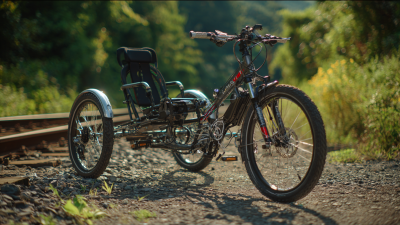
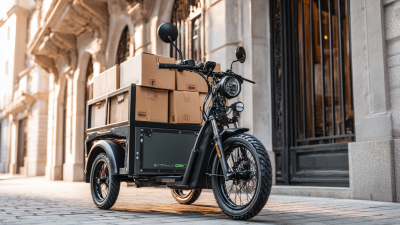
You know, as cities keep getting more crowded and battling pollution, it’s more important than ever to find smarter ways to get around. I recently came across a report from Market Research Future, and it predicts that the global market for Gasoline Tricycles will grow about 15% in the next few years. That’s mainly thanks to new tech and a big push toward more sustainable urban transport options. Gasoline trikes really hit a sweet spot—they’re affordable, work well in busy streets, and are pretty efficient, which makes them a favorite both for city folks and businesses trying to get around.
John Stevens, an industry expert at Urban Mobility Solutions, puts it perfectly: “Gasoline Tricycles aren’t just cheap—they’re super maneuverable, especially in jam-packed city streets, which is a big deal as urban populations keep climbing.” What we’re seeing here is part of a bigger trend—people are leaning more toward multi-modal transport options that fit into our fast-paced, ever-changing city lives.
Looking ahead to 2025, the top five Gasoline Tricycles that are set to take over the market really reflect the future of urban transport—combining efficiency, ease of access, and eco-friendliness. By digging into what models are out there now and understanding what consumers want, we can get a good idea of the innovations that’ll keep pushing the Gasoline Tricycle scene forward.
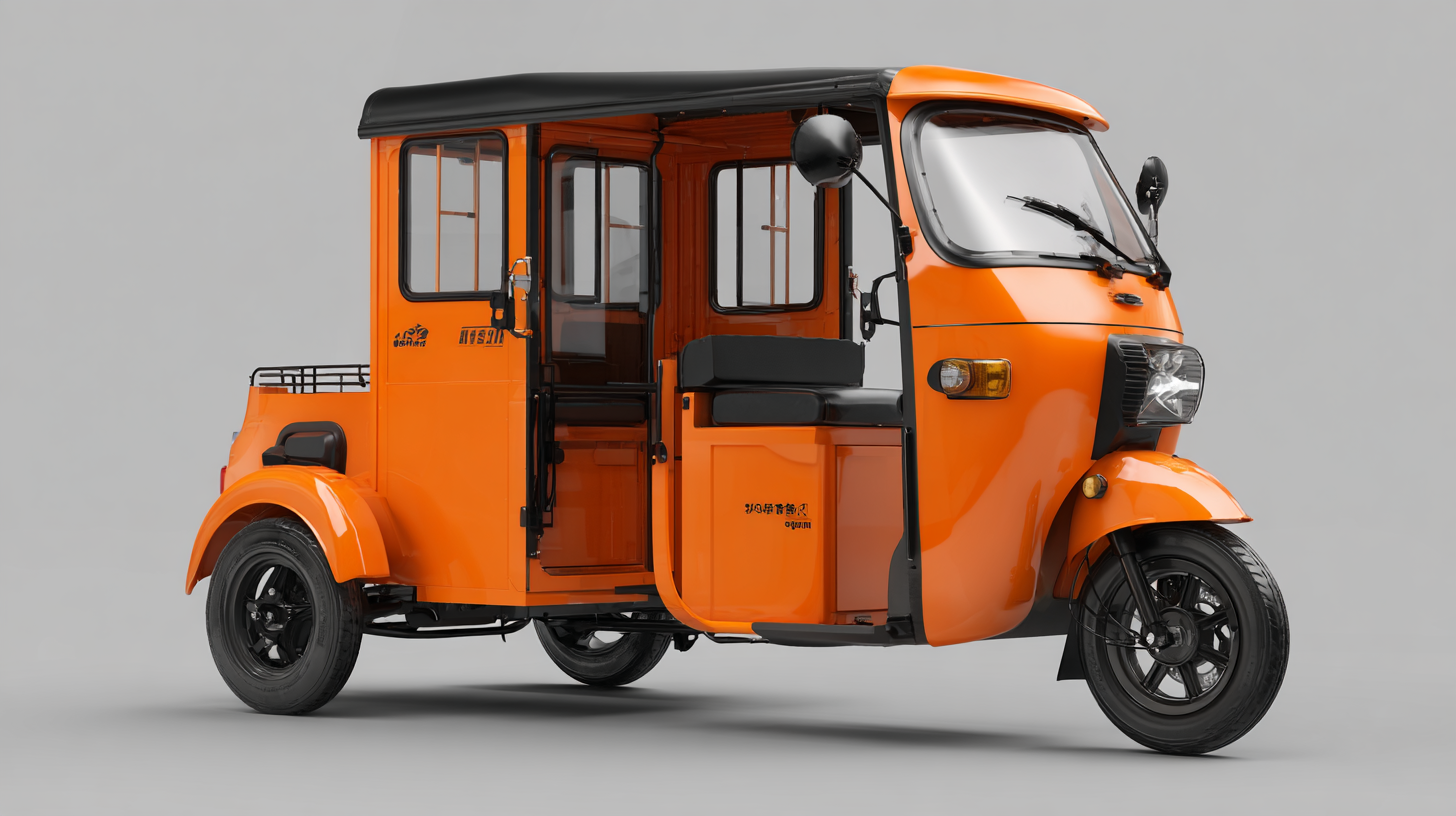
Top Features to Look for in 2025's Best Gasoline Tricycles for Urban Use
As urban areas continue to grow, Gasoline Tricycles are becoming a popular choice for navigating congested streets efficiently. In 2025, consumers should look for specific features to ensure they choose the best model for their needs. High fuel efficiency is paramount; models that deliver at least 35-45 miles per gallon will not only save money but reduce environmental impact as well. Additionally, safety features such as anti-lock brakes and reinforced frames are essential to protect riders in busy urban environments.
When considering a Gasoline Tricycle, also pay attention to storage capacity. A well-designed under-seat storage compartment can make a significant difference, allowing for easy transport of groceries or personal items. Comfort is another key factor; adjustable seating and adequate suspension systems can enhance the ride experience, particularly during long commutes.
**Tips:** Before making a purchase, take the tricycle for a test ride. Assess its maneuverability and responsiveness, especially in heavy traffic situations. Don't forget to check for warranty options and availability of maintenance services in your area, as these can greatly impact long-term ownership satisfaction.
2025 Top 5 Gasoline Tricycles for Urban Transportation
The Benefits of Gasoline Tricycles in City Transportation Solutions
Gasoline Tricycles are emerging as a vital solution for urban transportation, especially with the projected 15 percent increase in demand by 2025. They combine efficiency, affordability, and maneuverability, making them ideal for navigating congested city streets. 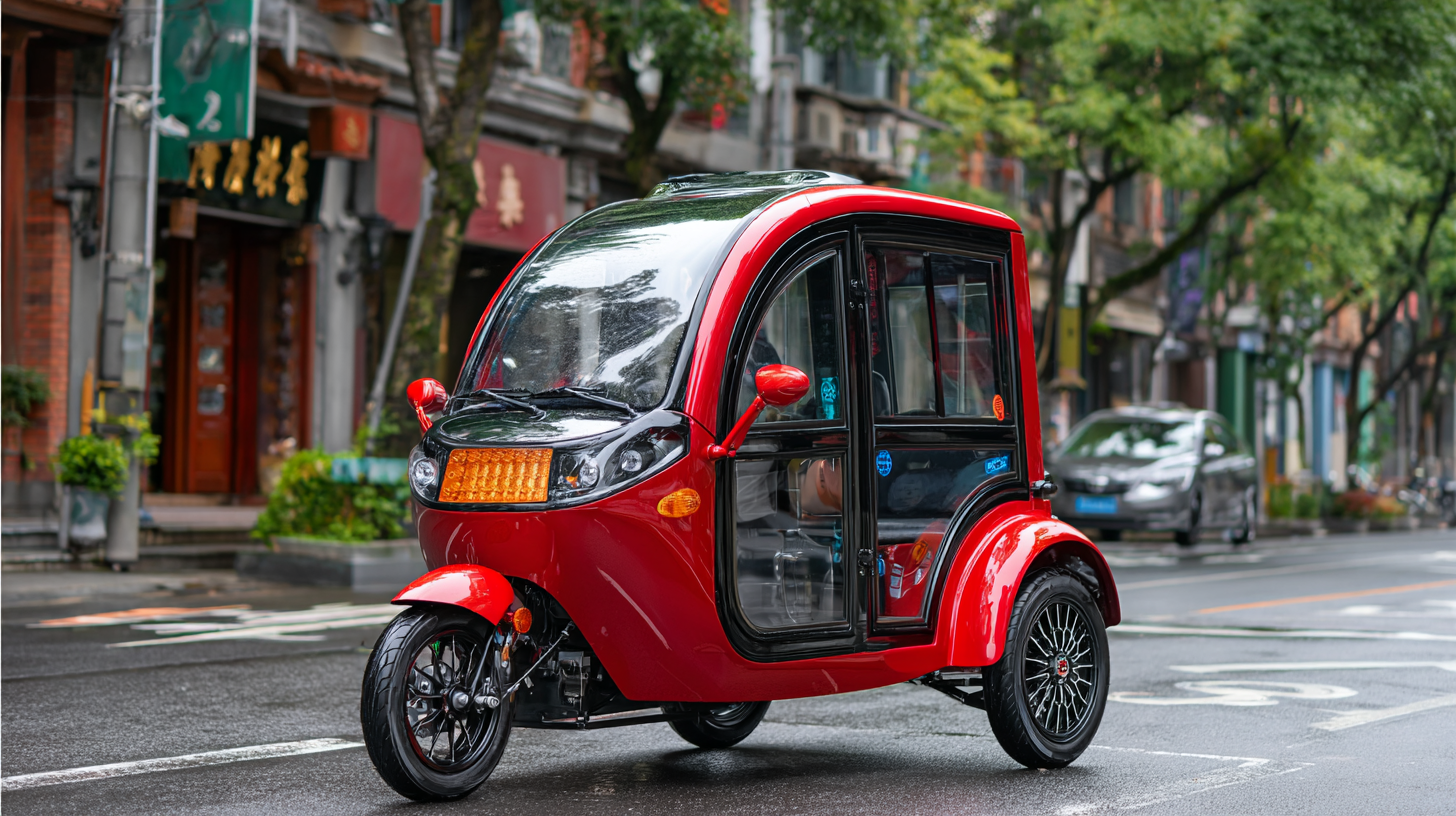 One of the most significant benefits of Gasoline Tricycles is their ability to transport goods and passengers in a compact design, reducing traffic and pollution. Additionally, theirlower operational costs compared to conventional vehicles make them economically attractive for both individual users and fleet operators.
Tips for choosing the right Gasoline Tricycle include assessing your specific transportation needs—whether it's for personal use or commercial use—and considering the vehicle's fuel efficiency and maintenance requirements. Always prioritize models with good reviews regardingreliability and safety features. Furthermore, regular maintenance can prolong the life of your tricycle, ensuring it remains a cost-effective choice for commuting or delivery.
Another advantage of Gasoline Tricycles is their versatility. They can be customized for diverse uses, fromfood deliveryto mobile shops, catering to various urban demands. Riders can enjoy flexibility without being tied to fixed routes or schedules, enhancing the convenience of urban mobility. As cities continue to grow, adopting Gasoline Tricycles could transform urban transport dynamics, making it asensible choice for the future.
How Fuel Efficiency is Changing the Landscape for Urban Tricycles
The rising demand for fuel-efficient transportation options in urban areas has led to an evolution in the gasoline tricycle market. As cities grapple with congestion and pollution, urban dwellers are increasingly turning to tricycles as a practical solution. In 2025, it is projected that gasoline tricycles will see a 15 percent increase in demand, driven by their ability to navigate city streets more easily than larger vehicles. Manufacturers are responding by enhancing fuel efficiency, making these tricycles not only a cost-effective choice but also a more eco-friendly option.
Fuel efficiency is pivotal in attracting consumers who prioritize not only savings at the pump but also their carbon footprint. Advanced engineering techniques and innovative designs are resulting in tricycles that offer greater mileage while reducing emissions. As consumers become more aware of environmental impacts, the shift towards fuel-efficient tricycles is reshaping urban transportation landscapes. With improved performance and design, gasoline tricycles are poised to become integral to the future of eco-conscious urban mobility, providing a viable alternative to traditional cars and contributing to cleaner city environments.
Comparative Analysis of the Top 5 Models: Performance and Cost
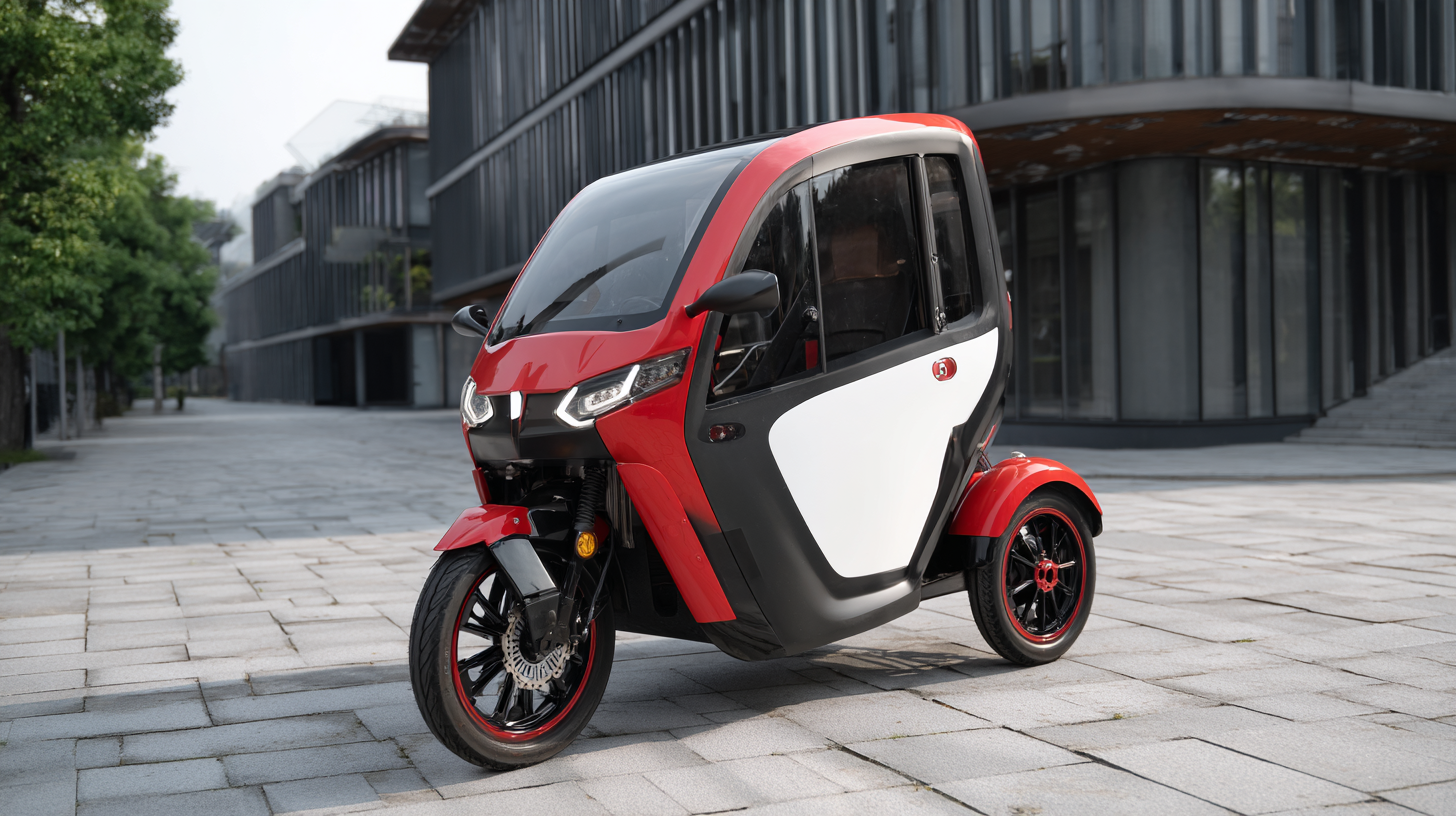
As urban areas experience heightened demand for efficient transportation solutions, gasoline tricycles have surfaced as a practical alternative. In a comparative analysis of the top five models for 2025, performance factors such as speed, fuel efficiency, and handling characteristics are paramount. The leading models which include the Eco Rider 3000 and the City Glide 250, each showcase distinctive features tailored for urban commuting. The Eco Rider 3000 boasts an impressive fuel economy of 70 miles per gallon, while the City Glide 250 offers superior maneuverability in congested environments.
Cost is another critical consideration in this analysis. The MSRP for these tricycles varies significantly, with entry-level models starting around $3,000, while high-performance options can reach upwards of $5,500. This price range reflects variations in features, durability, and after-sales service. Additionally, maintenance costs play a role in long-term ownership expenses. Models such as the UrbanRider 4000 are recognized for their low maintenance requirements, thus providing a favorable total cost of ownership for budget-conscious consumers. By evaluating both performance and cost, urban dwellers can make informed decisions as they navigate the growing market for gasoline tricycles in 2025.
User Experience: Real Life Stories from Gasoline Tricycle Owners
In urban environments, gasoline tricycles have emerged as a popular mode of transportation, with users sharing diverse experiences that highlight their practicality and efficiency. One owner from a bustling city discussed how their tricycle transformed daily commutes. With the ability to weave through traffic and access narrow lanes, they found themselves saving both time and fuel, ultimately lowering transportation costs. This adaptability makes gasoline tricycles an excellent choice for city dwellers seeking maneuverability.
Tips for potential buyers include considering the size of the engine relative to your typical load. A more powerful engine can handle heavier cargo or multiple passengers, making it ideal for families or small businesses. Additionally, checking the maintenance requirements and available service centers in your area can prevent downtime and ensure your tricycle remains reliable for your transportation needs.
Another owner emphasized the comfort and ease of use their gasoline tricycle provided, especially during longer journeys. With comfortable seating and weather protection, these vehicles often surpass traditional two-wheeled options in user experience. For those looking to enhance their ride, investing in quality seats or additional storage compartments can make a significant difference.
Future Trends: What to Expect Next in Urban Tricycle Innovations
The urban transportation landscape is rapidly evolving, with gasoline tricycles emerging as a preferred option for efficient commuting. According to a recent report from the Urban Mobility Research Institute, the demand for sustainable urban transport solutions has surged by 15%, prompting manufacturers to innovate and adapt to new trends. With urban congestion and environmental concerns on the rise, gasoline-powered tricycles present a viable solution, combining fuel efficiency and maneuverability.
Looking forward, we can expect numerous advancements in tricycle technology. Innovations such as integrated hybrid systems and smart connectivity features are on the horizon. A 2022 industry analysis by the Global Tricycle Initiative indicated that manufacturers are increasingly investing in R&D, with predictions that smart tricycles could enhance urban mobility by reducing travel times by 30%. Additionally, features like GPS navigation and real-time traffic updates are anticipated to become standard, providing riders with more efficient route options. As cities embrace these developments, gasoline tricycles will play a crucial role in reshaping urban transportation for the better.
2025 Top 5 Gasoline Tricycles for Efficient Urban Transportation
| Model | Engine Displacement (cc) | Fuel Efficiency (km/l) | Load Capacity (kg) | Price (USD) |
| Model A | 150 | 35 | 400 | 3,500 |
| Model B | 200 | 30 | 450 | 4,000 |
| Model C | 125 | 40 | 350 | 3,000 |
| Model D | 180 | 28 | 500 | 4,500 |
| Model E | 250 | 25 | 600 | 5,000 |
FAQS
: Consumers should look for models that deliver at least 35-45 miles per gallon to save money and reduce environmental impact.
Essential safety features include anti-lock brakes and reinforced frames to protect riders in busy environments.
A well-designed under-seat storage compartment is important, as it allows for easy transport of groceries or personal items.
Key comfort factors include adjustable seating and adequate suspension systems, which enhance the riding experience, especially during long commutes.
Yes, taking a test ride is recommended to assess maneuverability and responsiveness, especially in heavy traffic situations.
A more powerful engine can handle heavier cargo or multiple passengers, making it ideal for families or small business needs.
It's important to check the maintenance requirements and available service centers in your area to prevent downtime and ensure reliability.
Future innovations may include integrated hybrid systems, smart connectivity features, GPS navigation, and real-time traffic updates for enhanced urban mobility.
They offer adaptability for navigating through traffic, save time and fuel, and ultimately lower transportation costs, making them practical for city dwellers.
Gasoline tricycles often provide better comfort and weather protection, especially during longer journeys, surpassing traditional two-wheelers in user experience.
Conclusion
In 2025, gasoline tricycles are poised to become a key player in urban transportation, driven by a 15 percent increase in demand. The top features to consider include fuel efficiency, maneuverability, and comfort, making these vehicles well-suited for navigating busy city streets. Gasoline tricycles offer numerous benefits, such as lower emissions compared to traditional vehicles, cost-effectiveness, and ease of maintenance, which enhance their appeal in sustainable urban planning.
A comparative analysis of the top five gasoline tricycle models reveals varying performance metrics and pricing, allowing consumers to make informed choices. Real-life stories from gasoline tricycle owners highlight the practicality and satisfaction these vehicles bring to daily commuting. As we look ahead, innovations in design and technology promise to further enhance the utility of gasoline tricycles, aligning with companies like Kavaki Motorcycle Industry Co., Ltd., which are committed to advancing urban mobility solutions.